
Blog
Why Context Is the New Currency in AI: From RAG to Context Engineering
Understanding the Importance of Context in AI
In today’s rapidly evolving technological landscape, the relevance of context in artificial intelligence (AI) cannot be overstated. As we transition from traditional data processing to a paradigm that emphasizes context, it becomes clear that understanding the nuances of situations is paramount. This shift from mere data retrieval to context-driven decision-making underscores the need for innovative approaches in AI development.
The Age of Contextual AI
AI systems have historically focused on raw data processing. However, recent advancements have revealed that context greatly enhances the intelligence of these systems. Contextual AI goes beyond basic algorithms and emphasizes not just what data is available, but also how that data relates to the specific situations in which it is used. This is not merely a trend; it’s a fundamental transformation in how machines learn and interact with the world.
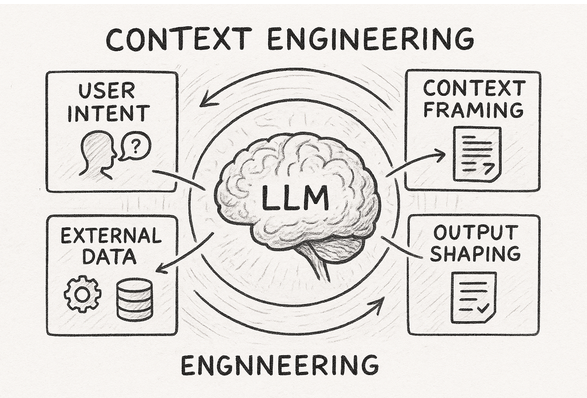
What is Context Engineering?
Context engineering is the process of enhancing AI systems to better understand and utilize contextual information. It involves designing models that can interpret the subtleties surrounding data, thereby enabling more informed decision-making. Essentially, it encourages machines to think in terms of relationships rather than isolated facts.
Components of Context Engineering
-
Data Enrichment: This involves integrating additional information that can provide more depth to the existing dataset. By infusing data with relevant contextual details, AI systems can make more nuanced predictions and recommendations.
-
Semantic Understanding: For machines to interpret context effectively, they must grasp the meaning behind data. This involves natural language processing (NLP) and machine learning techniques that help AI systems understand not just the words, but the intent and sentiment behind them.
- User-Centric Design: Understanding the user’s context is crucial. This means considering factors such as location, preferences, and previous interactions, which can significantly influence how data should be interpreted and acted upon.
RAG: A New Approach in Context-Rich AI
Recent methodologies like Retrieval-Augmented Generation (RAG) have emerged, bringing context to the forefront of AI functions. RAG combines the capabilities of traditional retrieval systems with generative models, allowing AI to fetch relevant information dynamically and incorporate it into its output. This approach emphasizes the importance of context in generating more relevant and coherent responses.
How RAG Works
RAG operates on a dual level—first retrieving data relevant to the query and then generating responses that are contextually appropriate. This two-step process allows for greater accuracy and relevance, making AI interactions more meaningful.
Applications of Context in AI
The implications of context-driven AI are vast, influencing numerous sectors. Here are some prominent applications:
1. Customer Support
Context-aware AI can greatly enhance customer service experiences. By understanding a customer’s previous interactions and preferences, AI systems can provide personalized support, leading to higher satisfaction rates.
2. Recommendations Systems
E-commerce platforms utilize contextual insights to deliver tailored product recommendations. By analyzing user behavior and preferences, these systems can suggest items that align with individual tastes and current trends.
3. Healthcare
In healthcare, AI informed by context can improve diagnostics and treatment plans. By considering a patient’s medical history, lifestyle factors, and even social determinants, AI can aid healthcare professionals in making more informed decisions.
4. Marketing Strategies
Contextual understanding allows marketers to tailor their messages to specific demographics and individual behaviors. By recognizing trends and shifts in consumer sentiment, businesses can adapt their communication for maximum impact.
Challenges in Contextual AI Implementation
While the potential benefits are immense, there are challenges to implementing context-driven AI. Here are some obstacles that organizations may face:
Data Privacy Concerns
Collecting and analyzing contextual information raises important questions about user privacy. Ensuring compliance with data protection regulations is essential for organizations wishing to leverage contextual data.
Complexity of Context
Contextual data is inherently complex and fluid. Developing AI systems that can accurately interpret varying contexts without misunderstanding can prove challenging. This necessitates advanced algorithms and continuous training to improve understanding.
Integration with Existing Systems
Incorporating context into existing AI systems can be difficult. Organizations may need to invest in new technologies or modify their current infrastructure, which can require significant resources.
The Future of AI: A Context-Driven Landscape
The future of AI lies in its ability to understand and utilize context effectively. As organizations increasingly recognize the value of contextual information, we are likely to see a shift toward more sophisticated and adaptable AI systems.
Advancements in Technology
Emerging technologies, including more powerful machine learning algorithms and data analytics tools, are paving the way for more effective context integration. These advancements will continue to enhance the capabilities of AI, making it more responsive to the complexities of real-world scenarios.
Collaboration Across Disciplines
To fully realize the potential of context-driven AI, collaboration between data scientists, domain experts, and AI developers will be crucial. This interdisciplinary approach ensures that AI systems are not only technologically advanced but also relevant to users’ needs and situations.
Conclusion
In summary, context has emerged as a vital component in the evolution of AI. From enhancing customer experiences to impacting strategic decision-making, the role of context cannot be overlooked. Through approaches like context engineering and methodologies such as RAG, organizations can develop AI systems that are not only intelligent but also deeply attuned to the intricacies of human interaction. As we look to the future, embracing the contexts within which data exists will be essential for driving innovation and achieving meaningful outcomes in AI.
