
Blog
Trump Eyes $100K Fee for H-1B Visas to Prioritize US Workers and Curb Immigration
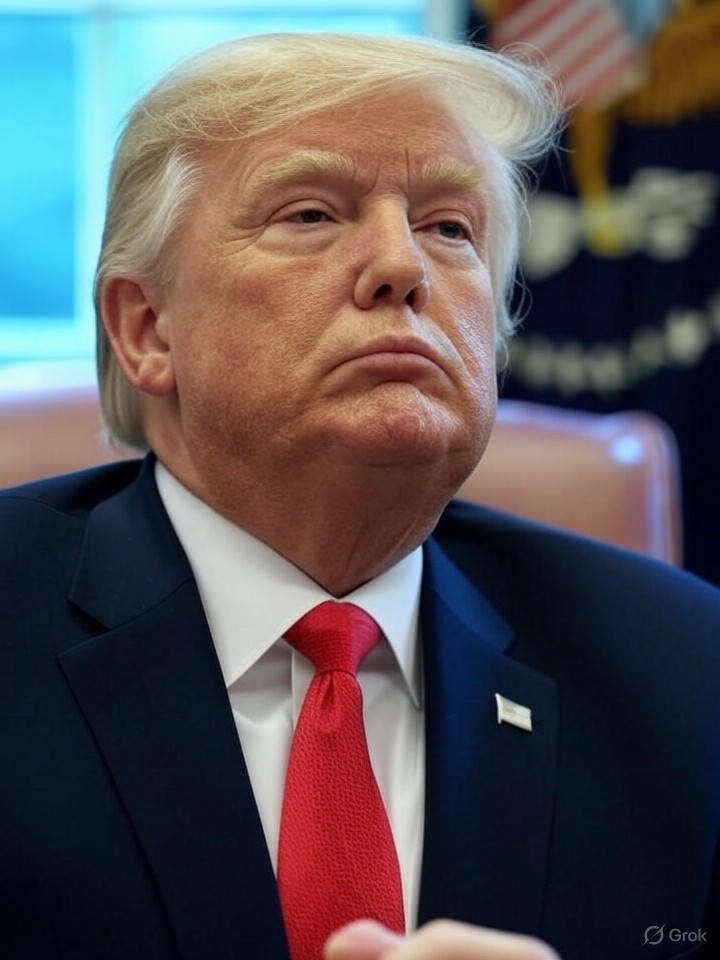
Understanding Trump’s Proposed $100K Fee for H-1B Visas
In the ongoing debate over immigration reform, former President Donald Trump has introduced a significant proposal: a $100,000 fee for H-1B visa applications. This initiative aims to prioritize American workers while attempting to limit the influx of foreign labor. By examining the implications of this proposal, we can see how it could reshape the future of employment in the United States and influence the broader immigration landscape.
The Rationale Behind the Proposal
Prioritizing American Workers
The primary motivation for increasing the fee on H-1B visas is to ensure that job opportunities remain accessible to U.S. citizens. Trump argues that foreign workers, particularly those on H-1B visas, often fill positions that could be offered to native Americans. By imposing a substantial fee, the administration aims to discourage employers from relying too heavily on foreign talent.
Curbing Immigration Numbers
In addition to prioritizing American workers, the proposed fee serves as a deterrent to immigration. High fees may compel employers to reassess their need for foreign labor, pushing them towards training and hiring local talent instead. This strategy aligns with a broader goal of reducing immigration levels and fostering economic opportunities for U.S. citizens.
Implications of the Proposed Fee
Economic Impact
-
Increased Costs for Businesses: The introduction of a $100,000 fee could significantly raise operational costs for companies seeking to hire international talent. Smaller businesses, in particular, may struggle to absorb these expenses.
-
Shifts in Hiring Practices: Companies may adapt by investing in the development of their workforce or focusing on automation. This shift could reshape industry standards and practices across various sectors.
- Talent Shortages in Specialized Fields: Sectors such as technology, healthcare, and engineering often rely on H-1B workers. The financial burden of the fee might lead to talent shortages, ultimately affecting innovation and productivity.
Understanding H-1B Visas
What Is an H-1B Visa?
The H-1B visa program allows U.S. employers to temporarily employ foreign workers in specialty occupations that require technical or theoretical expertise. This includes fields like IT, finance, healthcare, and engineering.
Current Process for Obtaining an H-1B Visa
-
Employer Application: Employers must submit a petition to the U.S. Citizenship and Immigration Services (USCIS) on behalf of the prospective employee.
-
Labor Condition Application (LCA): Before applying for an H-1B visa, employers must get an approved LCA, ensuring that hiring a foreign worker will not adversely affect labor conditions for U.S. workers.
- Lottery System: Due to high demand, H-1B visas are often allocated through a lottery system, which randomly selects applications from a pool.
FAQs About the Proposal
What Are the Key Benefits of Trump’s Proposal?
- Increased Job Opportunities: By reducing the dependency on foreign labor, more positions may become available for U.S. citizens.
- Enhanced Economic Growth: Focusing on domestic talent may help to drive innovation and economic stability.
Are There Any Downsides to the Proposed Fee?
- Financial Burden on Employers: The steep fee could discourage businesses from hiring foreign talent, potentially leading to talent shortages.
- Impact on Global Competitiveness: The U.S. could become less attractive to skilled workers, enabling other countries to gain a competitive edge.
Tips for Navigating Changes in Immigration Policy
-
Stay Informed: Regularly check updates regarding immigration policy changes to understand how they may impact your industry.
-
Embrace Local Talent: Focus on building a robust local workforce. Training programs can help bridge skill gaps and prepare candidates for available positions.
- Explore Alternative Visa Options: If your business relies on international talent, consider other visa options that may better suit your needs.
Conclusion
The proposal to introduce a $100,000 fee for H-1B visas stands as a significant shift in U.S. immigration policy, with wide-ranging implications for businesses and workers alike. While aimed at prioritizing American workers and curbing immigration, potential challenges may arise, particularly in specialized industries that depend heavily on foreign talent. By understanding these changes, stakeholders can adapt and strategize to navigate the evolving landscape effectively.
For further insights into the impact of immigration policies on businesses, consider visiting related resources at Theme Bazar BD or exploring expert analyses from recognized authorities in the field.
