
Blog
Shopify vs WordPress vs Custom vs AI Website – Best Platform for D2C Brands in 2025 | D2C BY Nikhil
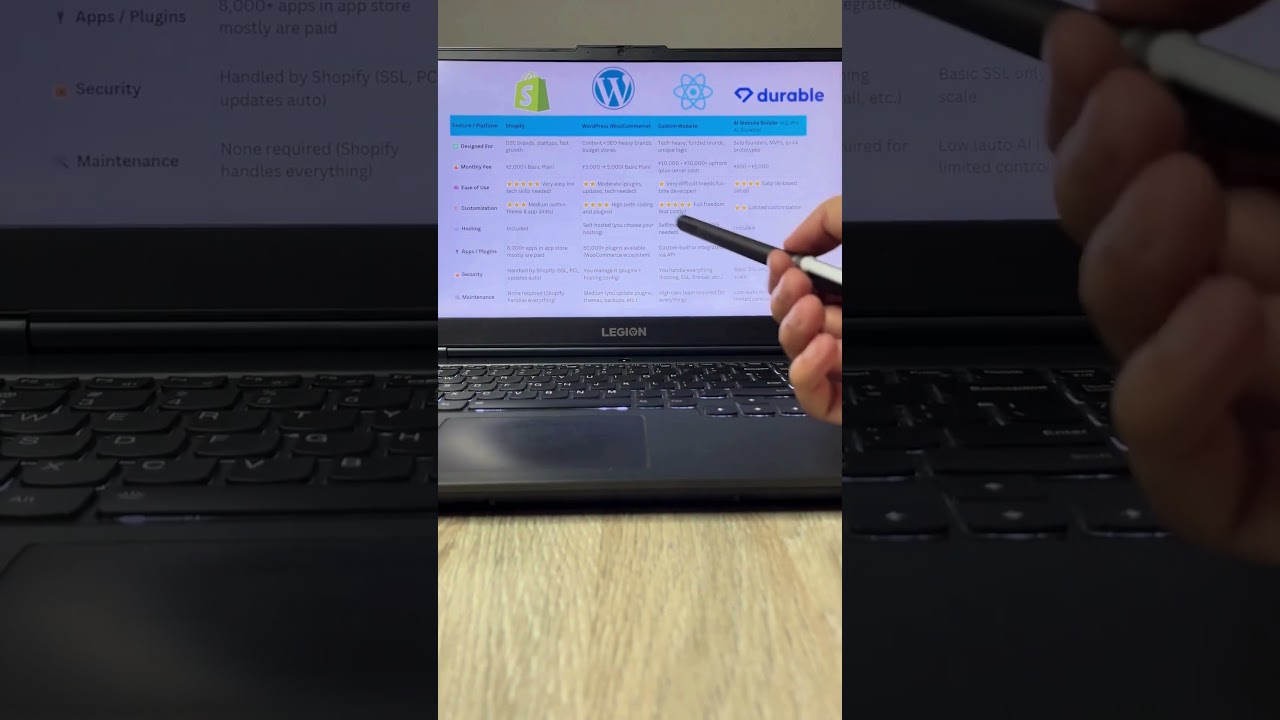
Choosing the Right Platform for D2C Brands in 2025
In the rapidly evolving digital landscape, Direct-to-Consumer (D2C) brands face the crucial task of selecting the right platform for their online presence. With various options including Shopify, WordPress, custom-built websites, and AI-driven solutions, understanding the strengths and weaknesses of each platform is essential for success in 2025 and beyond.
Understanding the D2C Landscape
D2C brands have gained tremendous popularity, allowing companies to sell directly to consumers without intermediaries. This approach not only boosts profit margins but also enhances customer relationships. As the D2C model continues to thrive, choosing an effective online platform becomes a vital decision for business growth.
Shopify: The All-in-One E-Commerce Solution
User-Friendly Interface
Shopify has established itself as one of the leading platforms for e-commerce. Its user-friendly interface allows both seasoned and novice entrepreneurs to easily set up an online store. With drag-and-drop features, even those with minimal technical skills can customize their storefronts.
Comprehensive E-Commerce Features
Shopify comes equipped with a plethora of e-commerce tools, including inventory management, payment gateways, and shipping options, which streamline the selling process. Additionally, its robust analytics and reporting features help brands gain insights into customer behaviors and sales performance.
Scalable Solutions
One of Shopify’s standout features is its scalability. As businesses grow, Shopify can accommodate increased traffic and larger inventories without compromising performance. This flexibility makes it an excellent option for brands looking to expand.
WordPress: The Versatile Content Management System
Customizability
WordPress began as a blogging platform but has evolved into a comprehensive content management system (CMS). Its open-source nature allows for a high degree of customization, making it suitable for D2C brands wanting to create unique and engaging websites.
A Wide Range of Plugins
The abundance of plugins available on WordPress is one of its strongest assets. From SEO tools to e-commerce solutions like WooCommerce, brands can easily add functionalities tailored to their specific needs. This adaptability is especially beneficial for D2C businesses aiming to incorporate various features such as membership areas or subscription services.
SEO Friendly
WordPress is often hailed as one of the most SEO-friendly platforms. Its structure allows for easy optimization of content, making it easier for brands to rank higher in search engine results. This aspect is crucial for driving organic traffic and increasing visibility in a crowded market.
Custom-Built Websites: Tailored Solutions for Unique Needs
Complete Control Over Functionality
Investing in a custom-built website offers unparalleled control over features and functionality. Brands can design a platform that perfectly aligns with their vision and customer expectations. This tailored approach enables the creation of unique user experiences that can differentiate a brand in a competitive landscape.
Higher Development Costs
However, the luxury of customization comes at a price. Custom-built websites generally require significant investment and long development timelines. Brands must also consider ongoing maintenance and updates, which can add to the overall cost.
Ideal for Established Brands
For well-established D2C brands with specific needs and ample budgets, a custom solution may make sense. It allows for flexibility and adaptability as the brand evolves, though it requires a strong commitment in resources and time.
AI-Driven Solutions: The Future of Web Development
Enhanced Personalization
AI technology is reshaping how brands interact with their customers. AI-driven website solutions can analyze user behavior and deliver personalized shopping experiences. This level of customization helps in improving customer engagement and increasing conversion rates.
Automating Processes
AI can automate various business processes, including customer service through chatbots, inventory management, and personalized marketing campaigns. This not only saves time but also enables D2C brands to focus on core business activities.
Emerging Technology
While still in the early stages, AI-driven solutions represent a compelling option for forward-thinking D2C brands. As technology evolves, these platforms are expected to become more sophisticated, offering enhanced functionalities that might be game-changers in the e-commerce space.
Comparing the Platforms: Key Factors
When deciding between Shopify, WordPress, custom-built solutions, and AI-driven websites, several factors should be considered.
1. Cost and Budget
Budget is often a decisive factor for D2C brands. Shopify and WordPress can be more affordable options, especially for startups, while custom-built websites generally require a more substantial investment. AI solutions also come with varying costs depending on the complexity of the technology.
2. Ease of Use
For brands without extensive technical expertise, Shopify and WordPress offer user-friendly interfaces that allow for immediate engagement. Custom solutions, although versatile, require more technical understanding, making them less accessible for beginners.
3. Scalability and Flexibility
Shopify excels in scalability, making it suitable for enterprises anticipating rapid growth. While WordPress can be adapted to suit a variety of needs, custom and AI-driven platforms offer greater flexibility to ensure that businesses can pivot as needed.
4. SEO Capabilities
SEO plays a crucial role in online visibility and traffic generation. Both WordPress and Shopify offer strong SEO features, while custom solutions can also be optimized effectively. AI solutions may provide unique approaches to SEO but depend on the underlying technology’s maturity.
Conclusion: Finding the Right Fit
The decision regarding which platform to select for a D2C brand in 2025 depends on several variables including budget, technical skills, long-term goals, and specific business needs. Each platform—whether it’s Shopify, WordPress, custom-built, or AI-driven—has its distinct advantages and may suit different types of brands.
A thorough evaluation of current and future requirements, combined with a willingness to adapt and experiment, will empower D2C brands to make informed decisions that will pave the way for online success.
Ultimately, investing time to research and choose the right platform is not just a tactical decision; it’s a strategic move that can significantly influence a brand’s growth trajectory in the evolving digital marketplace.
