
Blog
AI Just Killed Web Design: Clone Sites in Elementor With 1 Click
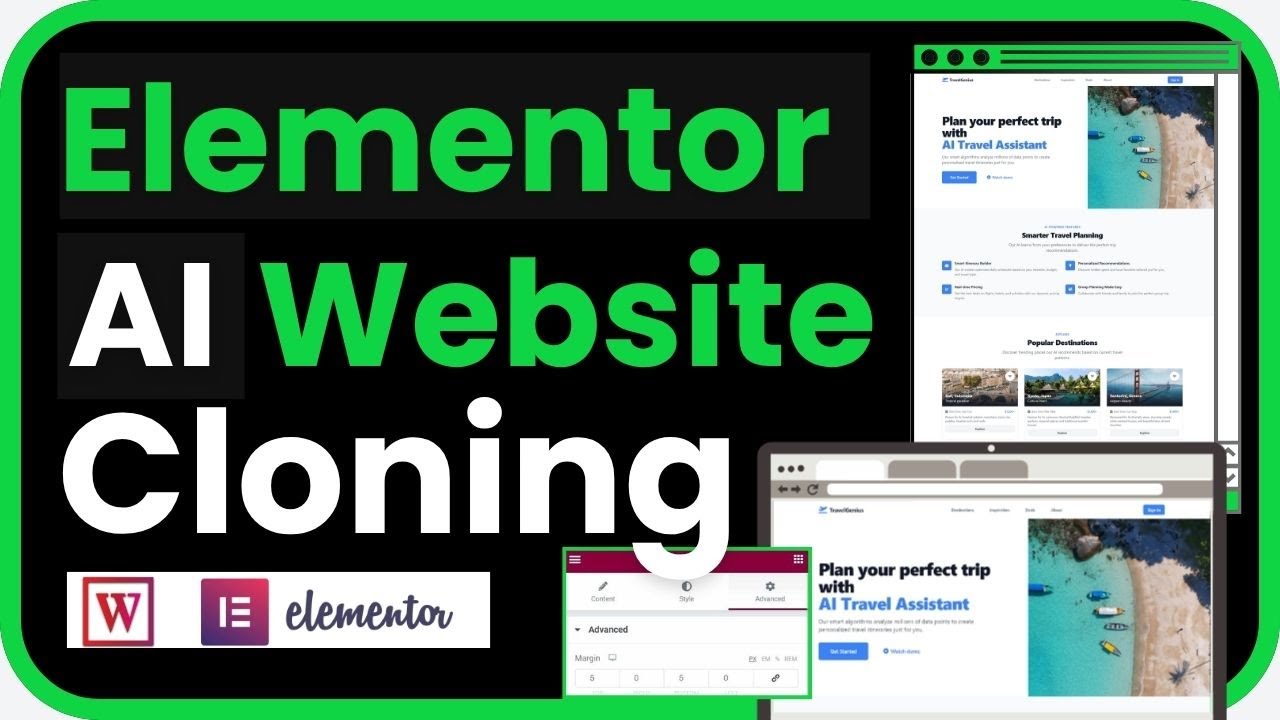
The Evolution of Web Design: How AI is Transforming the Landscape
In recent years, artificial intelligence (AI) has made groundbreaking strides across various industries. One area particularly affected by this technological revolution is web design. The emergence of innovative tools allows users to create professional-looking websites with minimal technical knowledge. One such advancement is the ability to clone sites with a mere click, especially using platforms like Elementor. This has led to speculation: Has AI killed traditional web design?
Understanding the Shift in Web Design
Web design has always been a dynamic field, constantly adapting to new trends and technologies. Historically, creating a website required extensive coding knowledge and design skills. Developers would spend hours or even days building a site from scratch, ensuring that every element worked seamlessly together.
With the arrival of AI-driven tools, this paradigm is shifting dramatically. Many platforms now provide templates and intuitive drag-and-drop interfaces, enabling users to assemble websites quickly. This newfound accessibility does raise concerns about the future of traditional web design.
The Role of Elementor in the AI Revolution
Elementor has emerged as a powerful tool in the website-building arena. As a popular WordPress page builder, Elementor allows users to create visually appealing websites without extensive coding experience. The platform boasts a user-friendly interface and a plethora of templates that cater to various industries and styles.
Cloning Capabilities
One of the most significant features of Elementor is its ability to clone existing web pages. This functionality enables users to replicate successful designs, experimenting with variations or maintaining consistency across multiple pages. The simple click-to-clone feature removes many barriers that previously existed in web design and allows for rapid prototyping.
The Advantages of AI-Powered Web Design Tools
AI-powered web design tools offer several advantages, fundamentally changing how people approach creating and managing websites.
Speed and Efficiency
The speed at which users can create websites has dramatically increased. Instead of spending countless hours on design, users can now build sophisticated sites in minutes. This efficiency is not only beneficial for individual entrepreneurs but also for businesses that need to launch campaigns quickly.
Cost-Effectiveness
Traditional web design can be an expensive endeavor, often requiring the hiring of skilled professionals. However, AI-driven platforms like Elementor enable users to create their designs at a fraction of the cost. Small businesses and freelancers can utilize these tools to establish a strong online presence without breaking the bank.
Enhanced Creativity
While AI tools streamline the technical aspects of web design, they also open the door to creativity. Users can explore multiple templates and styles, experimenting without the fear of making permanent changes. This encourages a more creative approach to web development, empowering users to try out new ideas and concepts.
Addressing the Concerns
While the benefits of AI in web design are numerous, some concerns remain. The most significant worry is whether traditional web designers will become obsolete as these tools become more mainstream.
The Human Touch in Design
Though AI can automate many tasks, it lacks the creative intuition and understanding of human emotion that a skilled designer brings to a project. Crafting a unique brand identity or connecting with a target audience often requires an understanding of nuances that AI has yet to master. Therefore, it’s unlikely that traditional design will disappear; instead, it may find new roles as a collaborative partner to AI tools.
Quality Over Quantity
Cloning websites may lead to a saturation of similar designs across the web, undermining creativity. However, this creates an opportunity for designers to distinguish themselves by focusing on unique features and personalized touches that AI cannot replicate. Successful brands will continue to emphasize originality and innovation as they adapt to this new landscape.
The Future of Web Design: Embracing AI
As we navigate this changing landscape, the best course is to embrace AI as a partner rather than a competitor. Here’s how web designers and businesses can adapt:
Continued Learning and Adaptation
Web designers should view the rise of AI tools as an opportunity for growth rather than a threat. Upskilling in areas such as UX/UI design, brand strategy, and marketing can provide a competitive edge. Understanding how to utilize AI tools efficiently will enhance a designer’s offering while preserving the human element that is so critical in crafting unique user experiences.
Integrating AI Tools
Rather than shying away from AI technologies, designers can integrate them into their workflow. Utilizing tools like Elementor can streamline repetitive tasks, allowing designers to focus on more complex, creative challenges. This collaborative approach can result in higher-quality products and improved client satisfaction.
Fostering Community
Web design professionals should foster communities that encourage knowledge-sharing and collaboration. Discussing trends, sharing best practices, and providing insight into the benefits of AI tools can help bridge the gap between traditional design and modern technology.
Conclusion
The advent of AI has undeniably transformed the web design landscape, making it more accessible than ever before. Tools like Elementor have democratized web design, enabling anyone to create a professional online presence. However, rather than viewing AI as a threat to traditional design, it should be seen as an invaluable ally. By embracing technology and focusing on the human elements of creativity, designers can carve out their niches in this new era, ensuring that originality and innovation continue to flourish.
As we look to the future, the collaboration between AI and human creativity will likely define the next chapter in web design, heralding a new era full of possibilities.
