
Blog
Want to land that WordPress developer job? 💼🔥 Make sure you master these 3 essential skills before
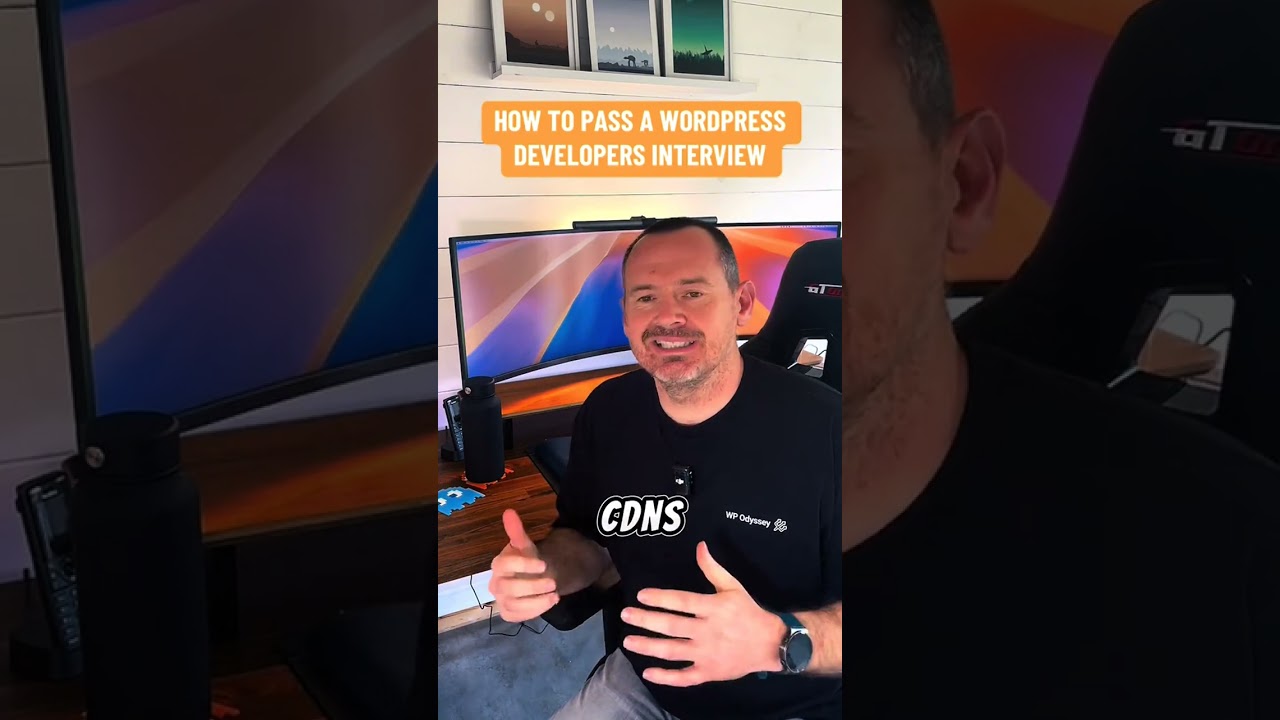
Crucial Skills to Master for Landing a WordPress Developer Job
Embarking on a career as a WordPress developer can be an exciting and rewarding journey. However, the competition in the tech industry is fierce. To stand out in the job market and secure that coveted position, you need to equip yourself with the right skills. Below, we explore three essential skills that every aspiring WordPress developer should master.
1. Proficiency in PHP
Understanding PHP’s Role in WordPress
PHP (Hypertext Preprocessor) is the backbone of WordPress development. This server-side scripting language powers the dynamic functions of the WordPress platform. A strong grasp of PHP allows you to write custom themes, create plugins, and tweak core WordPress functionalities.
Key Concepts to Cover
To become proficient in PHP, consider focusing on the following concepts:
- Syntax and Data Structures: Understand variables, arrays, loops, and conditionals.
- Object-Oriented Programming (OOP): Familiarize yourself with OOP principles, as many modern WordPress themes and plugins are built using this paradigm.
- WordPress Codex: Get acquainted with the WordPress Codex and its functions. This comprehensive resource provides invaluable documentation and examples.
Practical Application
To solidify your knowledge, start creating simple plugins or custom themes that solve real problems. By applying what you learn, you’ll not only gain practical experience but also build a portfolio that showcases your skills to potential employers.
2. HTML, CSS, and JavaScript Mastery
The Triad of Front-End Development
In addition to PHP, a solid foundation in HTML, CSS, and JavaScript is essential for any WordPress developer. These technologies are crucial in crafting visually appealing and interactive websites.
Breakdown of Each Technology
-
HTML (Hypertext Markup Language): This is the skeleton of your web pages. Being well-versed in HTML will help you structure content effectively.
-
CSS (Cascading Style Sheets): CSS is responsible for the visual presentation. Mastering CSS allows you to design responsive layouts and implement various styling techniques to enhance user experience.
- JavaScript: This programming language adds interactivity to your websites. Understanding JavaScript enables you to implement features like sliders, pop-ups, and form validations.
Learning Resources
Several online resources can help you deepen your understanding of these essential languages:
- Online Courses: Platforms like Codecademy, Udemy, and Coursera offer comprehensive courses on HTML, CSS, and JavaScript.
- Documentation and Tutorials: Websites like MDN Web Docs provide extensive documentation and practical examples to aid your learning.
Real-World Practice
To gain hands-on experience, start a personal project. Consider creating a portfolio website or a blog where you can experiment with different layouts and interactive features using HTML, CSS, and JavaScript.
3. Familiarity with WordPress Frameworks and Tools
Importance of Frameworks
Understanding popular WordPress frameworks can accelerate your development process and make your coding more efficient. Frameworks act as pre-built templates that take care of the repetitive aspects of coding.
Key Frameworks to Explore
- Genesis Framework: Known for its SEO optimization and security, Genesis is a popular choice among developers.
- Underscores (_s): This starter theme framework is perfect for developers looking to create custom themes from scratch.
- Bootstrap: While not specific to WordPress, Bootstrap is a front-end framework that helps in building responsive designs quickly.
Useful Tools for Development
Besides frameworks, familiarizing yourself with development tools can enhance your productivity. Consider the following:
-
Version Control Systems: Git is essential for managing code changes. It allows you to track modifications, collaborate with others, and revert to previous versions seamlessly.
- Local Development Environments: Tools like Local by Flywheel or MAMP enable you to create a local WordPress environment for testing without affecting a live site.
Keeping Up with Industry Trends
The tech world evolves rapidly. Stay updated with the latest trends in WordPress development by engaging in forums, attending webinars, and following influential developers on social media. Being aware of industry changes positions you as a well-informed candidate.
Building Your Portfolio
Once you’ve honed your skills, the next step is to create a portfolio that showcases your abilities. A portfolio serves as tangible proof of your expertise and creativity.
What to Include
- Personal Projects: Highlight projects that demonstrate your skills in PHP, HTML, CSS, and JavaScript.
- Contributions to Open Source: Participating in open-source projects provides experience and shows your willingness to collaborate.
Tips for Creating an Impressive Portfolio
- Clean and Professional Design: Ensure your portfolio is visually appealing and easy to navigate.
- Case Studies: Include detailed case studies for each project, explaining your thought process, challenges faced, and solutions implemented.
- Contact Information: Make it easy for potential employers to reach you by providing clear contact details.
Networking and Job Searching
Networking plays a significant role in job searching. Connect with other WordPress developers, attend conferences, and participate in local meetups.
Platforms for Networking
- LinkedIn: Use LinkedIn to showcase your skills and connect with industry professionals.
- WordPress Meetups: Join local WordPress meetups to meet like-minded individuals and gain insights into the job market.
Job Boards and Freelancing
- Job Boards: Websites like Indeed, Glassdoor, and specialized platforms like WP Jobs and Codeable can help you find WordPress developer job openings.
- Freelancing: Consider freelancing to gain experience and build your client base. Platforms like Upwork and Fiverr provide opportunities to work on diverse projects.
Conclusion
Mastering the essential skills of PHP, front-end languages (HTML, CSS, JavaScript), and familiarizing yourself with WordPress frameworks and tools will significantly enhance your chances of landing a WordPress developer job. By continually improving your technical capabilities, networking, and showcasing your work through a solid portfolio, you’ll position yourself as a competitive candidate in the job market. Embrace the learning process, stay curious, and don’t hesitate to reach out to the WordPress community for support. The path to becoming a successful WordPress developer is within your reach!
