
Blog
Turn Any Image into a 3D Model Using AI! 😲
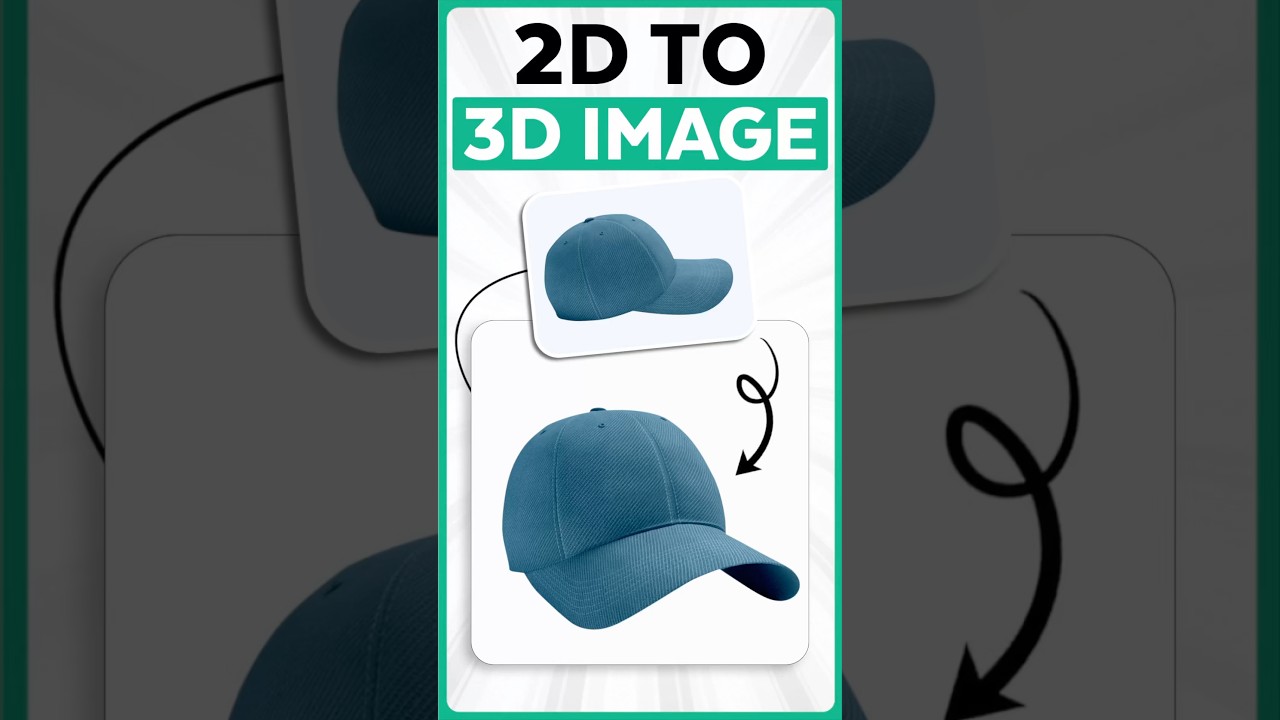
Transforming Images into 3D Models with AI Technology
The advent of artificial intelligence (AI) has revolutionized numerous fields, making processes more efficient and creative than ever before. One of the most fascinating applications of AI is its ability to transform flat images into 3D models. This technology is not only accessible but also has a wide range of applications, from gaming and animation to industrial design and architecture.
Understanding the Basics of AI and 3D Modeling
Before delving into the intricacies of transforming images into 3D models, it’s essential to understand what AI is and how it interacts with 3D modeling.
-
Artificial Intelligence: At its core, AI refers to computer systems that can perform tasks usually requiring human intelligence, such as problem-solving, decision-making, and pattern recognition.
- 3D Modeling: This is the process of creating a mathematical representation of a three-dimensional object using specialized software. These models can be used for various purposes, including simulations, visualizations, and manufacturing.
Combining these two domains allows for unprecedented creativity and utility, significantly reducing the time and cost involved in traditional modeling methods.
The Benefits of Converting Images to 3D Models
Transforming images into 3D models using AI technology comes with several advantages:
-
Speed and Efficiency: Traditional modeling can take days or weeks, depending on the complexity. AI streamlines this process, significantly reducing the time from concept to creation.
-
Accessibility: AI tools for 3D modeling are becoming more user-friendly, allowing individuals without extensive training to create professional-quality models.
-
Enhanced Creativity: With AI handling the laborious aspectsof modeling, artists and designers can focus more on creative decisions, allowing for more innovative designs.
- Cost-Effectiveness: Businesses can save money by using AI-driven solutions to create 3D models without the need for extensive teams or software.
Popular Tools for Turning Images into 3D Models
Several AI-powered tools enable users to convert images into 3D models easily. Each tool has unique features catering to various needs. Here’s a list of some popular options:
-
Daz 3D: Known for its powerful features, Daz 3D allows users to create lifelike 3D models quickly. Its intuitive interface is particularly suitable for artists who want to produce high-quality images.
-
Blender: An open-source and versatile platform, Blender is favored by many professionals and enthusiasts alike. It has a range of modeling tools, textures, and materials, making it an all-in-one solution for any 3D project.
-
SketchUp: While primarily used for architectural designs, SketchUp offers an intuitive way to create simple 3D models from images. Its easy-to-use interface makes it a favorite among beginners.
-
NVIDIA GauGAN: This AI tool transforms simple sketches into realistic images and can be adapted to generate 3D models. It’s useful for concept artists looking to visualize ideas quickly.
- DeepAI: This platform offers various AI-driven tools, including an image-to-3D model converter. It simplifies the transformation process and allows for easy integration into other projects.
How to Convert an Image into a 3D Model
The process of converting an image into a 3D model typically involves a few systematic steps. While specific workflows may vary between tools, the general process remains consistent:
-
Choose Your Image: Start by selecting a clear and detailed image. Images with distinct shapes and defined edges yield the best results.
-
Upload to the Tool: Import the chosen image into the software. Most tools will have a user-friendly upload feature.
-
Configure Settings: Based on your desired output, you may need to adjust settings such as resolution, dimensions, and detail level.
-
Generate the Model: Once everything is set, initiate the model generation. Depending on the tool and the complexity of the image, this may take a few moments.
-
Refine and Edit: After generating the model, you can further edit it within the software. This step allows for adjustments in textures, colors, and specific features.
- Export the Model: Once satisfied with your 3D model, export it in your desired format. Common formats include OBJ, FBX, and STL, suitable for various applications.
Applications of AI-Generated 3D Models
The ability to create 3D models from images opens up a plethora of applications across various industries:
-
Gaming: Developers can create immersive environments and characters quickly, enhancing the gaming experience.
-
Medical Imaging: Healthcare professionals use 3D models for a better understanding of anatomy and for surgical simulations.
-
Product Design: Companies can visualize product concepts effectively, allowing for better exploration of design ideas before mass production.
-
Real Estate: Virtual tours created from 3D models allow potential buyers to explore properties remotely.
- Education and Training: 3D models can enhance learning experiences in fields like geography, biology, and engineering.
Challenges in Image-to-3D Model Conversion
Despite the remarkable advancements in AI technology, some challenges remain:
-
Quality of Input Images: The quality of the final model heavily depends on the clarity and detail of the original image. Blurry or low-resolution images may lead to unsatisfactory outcomes.
-
Complexity of Models: While AI tools can handle basic shapes and designs well, complex objects may require significant manual editing.
- Learning Curve: While many tools are user-friendly, there’s still a learning curve associated with mastering features and functions.
The Future of AI in 3D Modeling
As AI technology continues to evolve, the future of 3D modeling looks promising. With the integration of machine learning and advanced algorithms, we can expect even more efficient and accurate transformation processes. The very notion of "image" might broaden as AI becomes better at interpreting visual data, leading to innovative forms of design and representation.
Conclusion
The capability to turn images into 3D models using AI opens up endless possibilities for creators across fields. From gaming to architecture, the practical applications are vast and varied. As AI technology becomes more refined and accessible, the future holds exciting potential for both creators and industries alike. Embracing this technology not only streamlines processes but also enriches the creative experience, paving the way for the next generation of design and innovation.
