
Blog
Top 7 Small Language Models
Understanding Small Language Models: An Overview
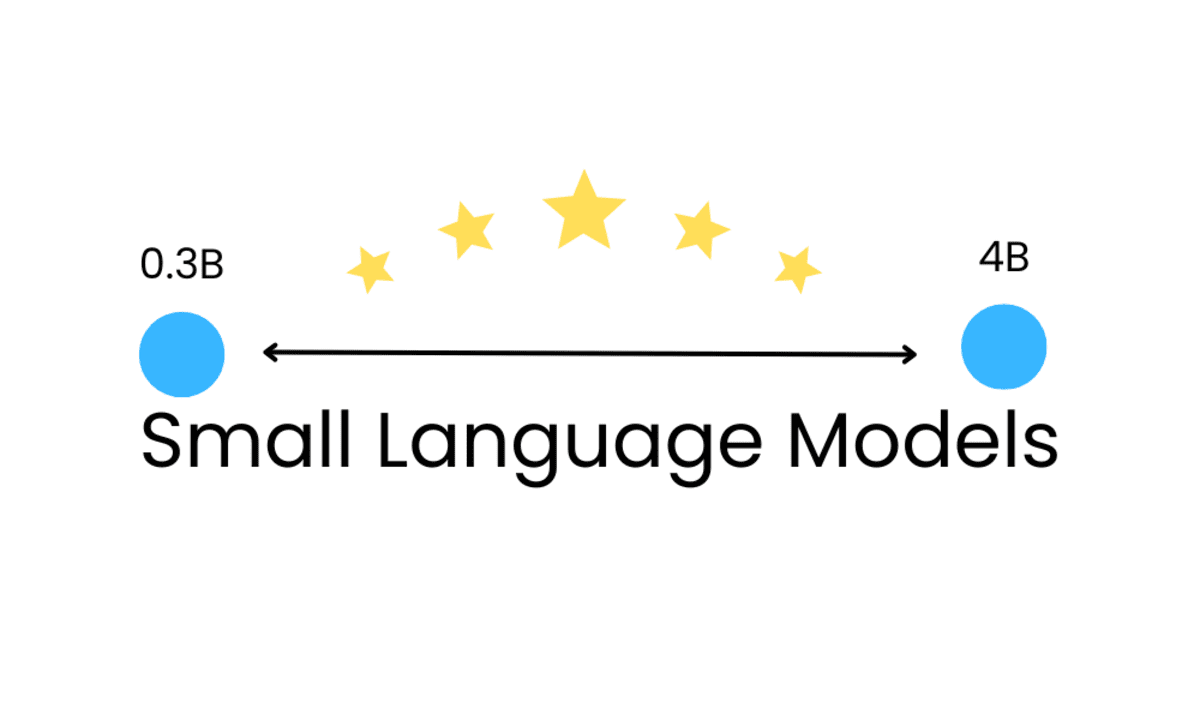
In the evolving landscape of artificial intelligence, small language models have emerged as a powerful tool for various applications. These models are designed to offer high performance while being resource-efficient, making them ideal for environments with limited computing power. This blog post explores the top seven small language models, delving into their features and applications.
What Are Small Language Models?
Small language models are machine learning systems specifically tailored for natural language processing (NLP) tasks. Unlike their larger counterparts that require immense computational resources, small models strive for efficiency without significantly compromising performance. These models excel in tasks such as text generation, sentiment analysis, and summarization, all while being lightweight and easy to deploy.
Benefits of Using Small Language Models
-
Resource Efficiency: One of the most significant advantages of small language models is their minimal memory and processing requirements. This feature enables them to run on devices with limited computing capabilities, such as smartphones and IoT devices.
-
Lower Latency: Small models generally have reduced inference times, leading to faster responses in applications like chatbots and virtual assistants. This ensures a smoother user experience.
-
Cost-Effective: With lower operational expenses, small language models present a cost-effective choice for businesses that want to leverage machine learning without investing heavily in hardware.
- Flexibility: These models are often more adaptable to specific tasks and can be fine-tuned with relatively less data compared to larger models, making them suitable for bespoke applications.
The Top Seven Small Language Models
1. DistilBERT
DistilBERT is a smaller and faster version of BERT (Bidirectional Encoder Representations from Transformers). With a size reduction of around 60%, DistilBERT retains about 97% of BERT’s language understanding capabilities. It is particularly well-suited for tasks like sentiment analysis and text classification. This efficiency allows developers to effectively utilize it in real-time applications.
2. ALBERT
A Lite BERT (ALBERT) enhances efficiency further by incorporating techniques such as parameter sharing and factorized embedding parameterization. This design reduces the model size significantly while preserving its transformative capabilities. ALBERT is ideal for NLP applications needing extensive context, making it applicable for question-answering systems.
3. TinyBERT
TinyBERT is an even more compact model derived from BERT and is designed specifically for mobile devices. By distilling knowledge from larger models, TinyBERT manages to provide reliable performance across various NLP tasks, particularly for developers focusing on mobile app integrations. Its performance is comparable to that of larger models while being resource-efficient and easy to deploy.
4. MobileBERT
As the name suggests, MobileBERT is tailored for mobile applications. This model offers a balance between model size and accuracy, making it suitable for natural language tasks on mobile devices. MobileBERT’s design focuses on producing fast inference times without sacrificing the quality of language understanding, thereby enhancing mobile user experiences.
5. GPT-2 Small
The smaller version of OpenAI’s Generative Pretrained Transformer 2 (GPT-2) provides robust capabilities for text generation. While the larger models possess extensive parameters, GPT-2 Small offers a practical alternative that retains essential generative abilities. This model is particularly effective for creative applications, such as writing assistance and chatbots.
6. T5 Small
The Text-to-Text Transfer Transformer (T5) is a versatile model that redefines all NLP tasks as text-to-text transformations. T5 Small is a compact variant that facilitates seamless task adaptation and can produce impressive results in summarization, translation, and sentiment detection. This model is an excellent choice for developers seeking a multifaceted approach to NLP.
7. ELMo
Embeddings from Language Models (ELMo) provides contextualized word representations rather than focusing on sentence-level features. This model captures the nuances of language through deep bi-directional representations, making it particularly useful for various NLP tasks. ELMo excels in tasks that require understanding the context of words, such as named entity recognition and semantic role labeling.
Real-World Applications of Small Language Models
The burgeoning capabilities of small language models have led to their increasing integration into diverse fields:
Customer Support Automation
Small language models can streamline customer support by powering chatbots and virtual assistants. Their ability to understand context and respond quickly aids in creating effective communication channels for businesses.
Content Generation
These models also facilitate automated content creation. From drafting articles to generating marketing copy, small language models empower content creators by providing quick and relevant suggestions, enhancing productivity.
Sentiment Analysis
In the world of social media and product reviews, sentiment analysis is vital for understanding public perception. Small language models can analyze user-generated content efficiently, offering businesses insights into customer sentiment and trends.
Language Translation
Small models, like T5 and GPT-2 Small, can assist in translating text across different languages. Their efficiency makes them a practical solution for real-time translation services in global communications.
Conclusion: The Future of Small Language Models
As the demand for efficient and powerful NLP solutions continues to grow, small language models are set to play a pivotal role in various innovations. Their ability to provide robust performance within limited resource environments expands the horizons for AI applications, from chatbots to automated content generation. By understanding the strengths and capabilities of these models, businesses and developers can harness their potential to drive meaningful outcomes in the evolving digital landscape.
In summary, investing in small language models not only aids in resource efficiency but also provides a pathway to sophisticated natural language understanding and generation capabilities. Embracing these technologies can offer distinct advantages in today’s fast-paced, data-driven world.
