
Blog
Preventing Context Overload: Controlled Neo4j MCP Cypher Responses for LLMs
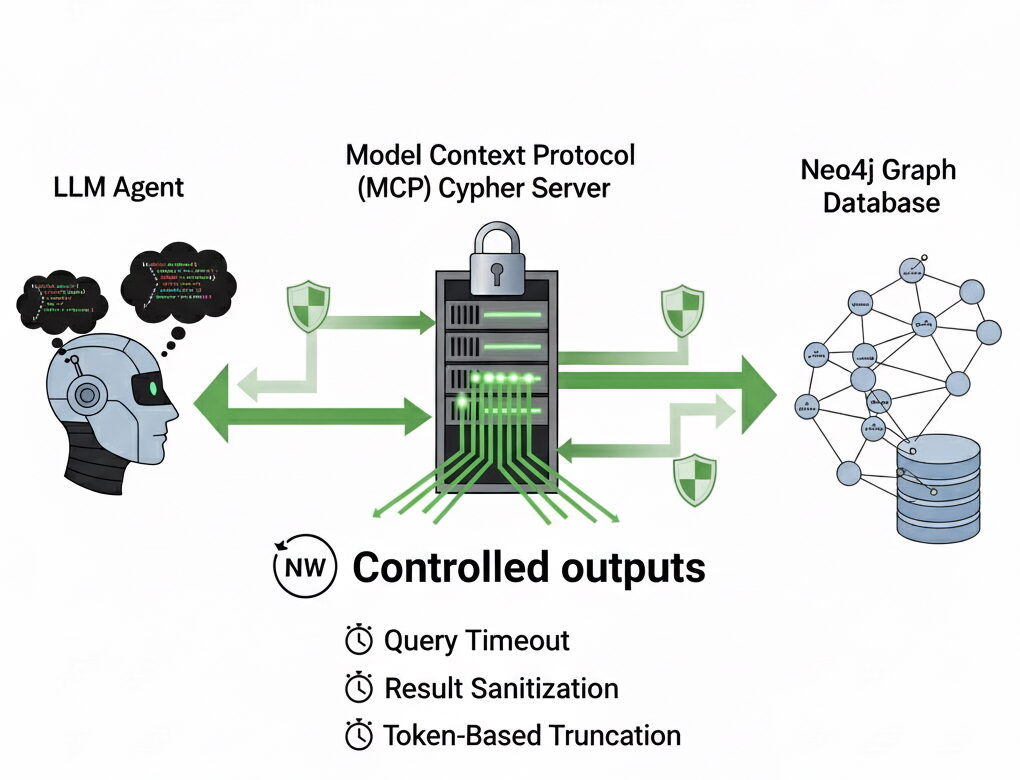
Understanding Context Overload in Language Models
In the dynamic world of artificial intelligence, language models (LLMs) play a significant role in processing and generating human-like text. However, these models face challenges, one of which is context overload. This phenomenon occurs when a model receives an excessive amount of information, leading to dilution in relevance and accuracy of responses. To remedy this, developers and data scientists can turn to strategies that leverage databases, such as Neo4j, along with Cypher queries to produce more controlled and efficient responses.
The Role of Neo4j in Managing Data
Neo4j, a prominent graph database platform, allows users to manage complex data relationships efficiently. It excels in situations where understanding connections between data points is crucial. For LLMs, integrating Neo4j can significantly enhance response quality by maintaining a contextual focus. Its ability to represent data as nodes and relationships permits nuanced understanding, which is critical when addressing context overload.
Graph Databases Explained
Graph databases structure data as interconnected nodes, each representing entities—such as users, products, or concepts—and relationships that define how these nodes interact. This approach contrasts with traditional relational databases that store data in tabular formats. The graph model is particularly beneficial for applications requiring insight into the interdependencies and relationships within data, making it an ideal choice for complementing LLMs.
What is Context Overload?
Context overload refers to the inefficiencies that arise when too much information is presented to an LLM in a single input. The result can be confusing or irrelevant answers, as the model struggles to parse through superfluous details. Essentially, when LLMs are bombarded with excessive context, their ability to generate coherent and accurate responses diminishes.
Factors Leading to Context Overload
- Excessive Input Sizes: Large volumes of information can overwhelm the model, making it difficult to extract pertinent details.
- Ambiguity in Data: Diverse data points may introduce ambiguity, leading the model to misinterpret the user’s intent.
- Irrelevant Information: Unrelated data can complicate the model’s processing, causing it to lose focus on the primary context.
Mitigating Context Overload with Cypher Queries
One effective way to manage context overload is through the use of Cypher, Neo4j’s declarative query language. By crafting specific Cypher queries, developers can extract precisely the information required for a given task, minimizing noise and enhancing response quality.
Crafting Targeted Cypher Queries
To harness the power of Cypher effectively, it’s essential to:
- Define Clear Objectives: Determine the specific information needed by the LLM to answer user queries accurately.
- Structure Queries Wisely: Use Cypher commands to filter and prioritize data, allowing the LLM to focus on relevant contexts.
- Optimize Data Retrieval: Utilize patterns in data relationships to streamline the query process, ensuring that the input for LLMs is as concise and relevant as possible.
Example of Effective Cypher Usage
Imagine a scenario where a user seeks information about a specific movie and its cast. Instead of providing extensive data about all films, a well-structured Cypher query can target the desired movie. For instance:
cypher
MATCH (movie:Movie {title: "Inception"})-[:FEATURES]->(actor:Actor)
RETURN actor.name
This query retrieves just the names of actors from the "Inception" movie, significantly reducing the dataset received by the LLM and thereby minimizing context overload.
Enhancing LLM Responses Through Contextualization
Integrating Neo4j with LLMs does more than just minimize context overload; it also helps in contextualizing responses. By presenting data in structured formats, LLMs can generate responses that are not only coherent but also tailored to the user’s immediate needs.
Dynamic Context Adjustment
Using feedback loops, developers can enable dynamic adjustments to context as conversations unfold. This process involves:
- Real-Time Data Updates: Regularly updating the graph database with new information to keep the context fresh and relevant.
- User Feedback Integration: Utilizing responses from users to refine future queries, thus improving the quality and relevance of data retrieved.
The Future of LLMs and Neo4j Integration
As the capabilities of both language models and graph databases continue to evolve, the integration of Neo4j with LLMs presents exciting possibilities. Enhanced efficiency and relevance in responses can lead to significant advancements in user experience across various applications, from customer service bots to content generation tools.
The Potential for Sector-Specific Applications
Beyond general applications, integrating Neo4j with LLMs holds promise for specific sectors, including:
- Healthcare: Streamlining patient data retrieval to ensure that medical professionals have immediate access to relevant patient histories.
- E-commerce: Improving product recommendations by analyzing user interactions and preferences in real-time.
- Education: Personalizing learning experiences by tracking student progress and aligning educational resources accordingly.
Conclusion
Preventing context overload in language models is a critical challenge that requires strategic data management. By leveraging Neo4j and Cypher queries, developers can effectively control the information flow to LLMs, ensuring that responses remain relevant and informative. As the technology progresses, the synergistic potential of graph databases and language models invites innovation across numerous industries. Embracing these strategies will not only enhance the accuracy of responses but also pave the way for more intuitive and effective interactions between users and AI.
