
Blog
New Google Stitch Workflow: AI to WordPress Without Coding
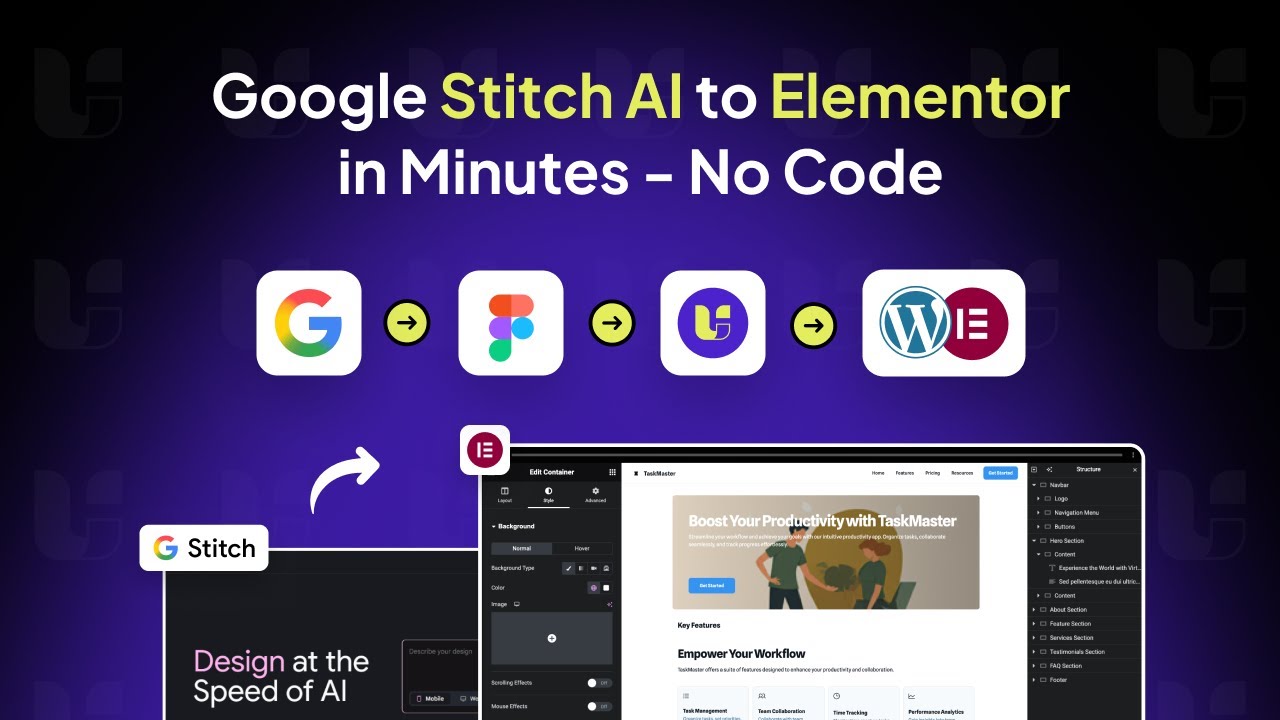
The digital landscape for content creators is evolving at a breathtaking pace. The pressure to consistently produce high-quality, engaging material while managing the technical backend of a website can be overwhelming. For bloggers, marketers, and small business owners, the dream has always been to focus on the creative idea and have the rest—the formatting, the publishing, the optimization—handle itself.
That vision is now closer to reality than ever before. A powerful new workflow is emerging, one that leverages cutting-edge artificial intelligence to bridge the gap between imagination and publication. This isn’t about complex integrations or learning to code; it’s about a seamless, intelligent process that transforms a simple prompt into a polished, live blog post on your WordPress site. Let’s explore how you can harness this revolutionary approach.
Beyond Basic AI: Understanding the Stitched Workflow
Many are familiar with using a language model to generate text. You ask for a blog post on a topic, and it provides one. The challenge, however, is what comes next. The text often requires significant editing, fact-checking, formatting with headings, and manual insertion of SEO elements. Then, you must log into your WordPress dashboard, create a new post, paste the content, format it again, add images, set categories and tags, and finally hit publish. This "copy-paste" method saves time but is far from seamless.
The new "stitched" workflow eliminates these disjointed steps. It represents a holistic process where AI doesn’t just generate a draft; it actively assists in creating a fully-formed, web-ready article that is transferred directly to your website without you ever touching a line of code or even needing to open your WordPress admin panel in a traditional way. It’s the difference between having parts of a car delivered to your garage and having a finished vehicle parked in your driveway, keys in hand.
The Core Components of a Seamless AI-to-WordPress Pipeline
This efficient workflow relies on the intelligent combination of three key components. When these elements work in concert, the magic happens.
1. Advanced AI Language Models: The Creative Engine
At the heart of this process is a sophisticated AI like GPT-4 or its equivalents. But we’re moving beyond simple text generation. The goal is to prompt the AI to act as a professional content creator. This means providing it with clear, strategic instructions to output content that is not only informative and well-written but also structurally prepared for the web. This includes using proper heading hierarchies (H2, H3, etc.), integrating bullet points and numbered lists for readability, and naturally incorporating primary and secondary keywords.
2. Automation and Connector Platforms: The Digital Couriers
This is the true "stitch" in the workflow. Platforms like Zapier, Make (formerly Integromat), or the WordPress REST API itself serve as the digital couriers that transport content from point A to point B. These tools can be configured to watch for a trigger—such as a new document being created in a specific app or a button being clicked—and then automatically execute a series of actions. In this case, the action is taking the finalized AI-generated content and posting it directly to your WordPress site as a new post, draft, or scheduled article.
3. Your WordPress Website: The Final Destination
WordPress, powering over 40% of the web, is beautifully equipped to receive this content thanks to its robust REST API. This API allows external applications to communicate with your site securely. An automation tool can send a request to the API that says, "create a new post with this title, this content, these categories, this featured image, and this SEO meta description." Your WordPress site receives this instruction and creates the post exactly as specified, all behind the scenes.
A Step-by-Step Guide to Implementing Your Own Workflow
Setting up this automated pipeline may sound technical, but with today’s no-code tools, it’s accessible to everyone. Here’s a practical guide to building your own.
Step 1: Crafting a Powerful AI Prompt
The quality of your output is directly tied to the quality of your input. Instead of "write a blog post about sustainable gardening," use a detailed, strategic prompt. For example:
"Act as a professional SEO content writer. Write a comprehensive, 1200-word blog post titled ‘The Ultimate Guide to Sustainable Urban Gardening in 2024’. The primary keyword is ‘sustainable urban gardening’. Use a friendly, informative tone. Structure the post with an engaging introduction, multiple H2 headings, and several H3 subheadings. Include a bulleted list of benefits and a numbered step-by-step guide for beginners. End with a strong conclusion. Format the output in clean HTML."
This level of detail guides the AI to produce a much more publication-ready piece of content.
Step 2: Choosing and Configuring Your Automation Tool
For most users, a visual automation platform like Zapier is the perfect solution.
- Create a Zap (an automated workflow).
- Choose a Trigger. This could be saving the finalized text to a Google Doc, adding it to a specific note in Evernote, or even using a “Webhook” trigger for more advanced setups.
- Set up the Action. Select WordPress as your app and "Create Post" as the action.
- Map the Fields. This is where the stitching occurs. You will connect the data from your trigger to your WordPress site:
- Title Field: Map to the title from your AI-generated document.
- Content Field: Map to the full HTML body of the article.
- Status: Set to "Publish" immediately or "Draft" for a final review.
- Categories/Tags: You can set these statically or, if your AI output includes them, map them dynamically.
- Featured Image: Some advanced setups can even generate an image with AI and upload it automatically.
Step 3: Testing and Refinement
Always test your new workflow with a post set to "Draft" status first. Run a test trigger and check the resulting post on your website. Verify the formatting is correct, the images are placed, and the SEO fields are populated. Tweak your AI prompt or your Zapier field mappings as needed until the process is flawless.
The Tangible Benefits: Why This Workflow is a Game-Changer
Adopting this methodology offers profound advantages for content creators and businesses.
- Unmatched Efficiency and Scale: Drastically reduce the time between ideation and publication. What used to take an hour can now take minutes, allowing you to scale your content output significantly without increasing workload.
- Consistent Brand Voice and Quality: By refining and reusing a set of master prompts, you can ensure every article meets your specific standards for tone, style, and structure, maintaining consistency across all your content.
- Streamlined Collaboration: Teams can use this system seamlessly. A marketing manager can finalize an AI draft in a shared Google Doc, and once approved, it can be automatically published by the workflow, eliminating endless email threads and manual tasks.
- Reduced Technical Friction: This process empowers subject matter experts who may not be technically savvy to contribute content directly to the website without needing training on the WordPress dashboard.
Navigating Considerations and Best Practices
While powerful, this workflow requires a thoughtful approach.
- The Indispensable Human Touch: AI is a tool, not a replacement. A human editor must always review the content for accuracy, nuance, brand alignment, and to add unique personal anecdotes and expertise that AI cannot replicate.
- SEO is More Than Keywords: While the AI can integrate keywords, a human must strategize them. Ensure your prompts are based on solid keyword research to target the right audience intent.
- Security First: When using automation tools, always use strong, unique passwords and ensure your connectors are using secure, official applications. Be cautious about granting unnecessary permissions.
The Future of Content Creation is Integrated
The "stitched" AI-to-WordPress workflow is more than a handy trick; it’s a glimpse into the future of digital content management. It represents a shift from manual, repetitive tasks to strategic, creative oversight. By automating the mechanics of publishing, creators are freed to focus on what truly matters: developing innovative ideas, connecting with their audience, and building a stronger, more valuable online presence.
This technology is not about removing the human element; it’s about augmenting human potential. It’s the ultimate partnership between human creativity and artificial intelligence, working together to achieve more than either could alone. The tools are here, the process is proven, and the opportunity to transform your content strategy is waiting.
