
Blog
LA Homeless Encampments Evolve into Structured Mini-Cities
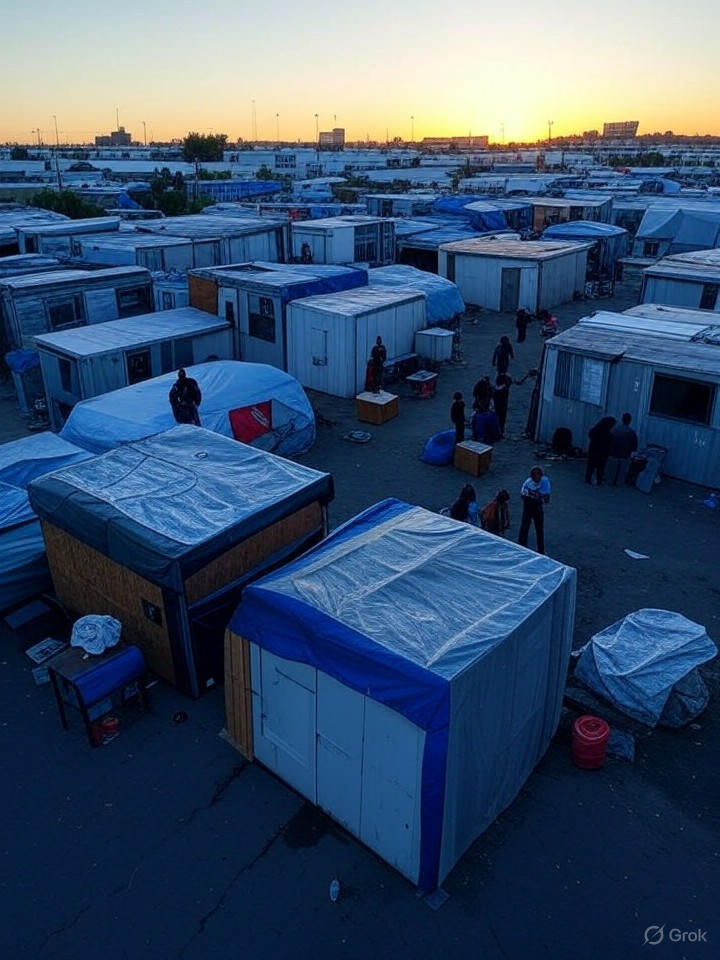
The landscape of Los Angeles is changing, particularly in areas where homelessness is a significant issue. LA homeless encampments are transforming into organized mini-cities, a phenomenon shaped by necessity and resilience. This evolution reflects the urgent need for solutions that address not only shelter but also community, services, and basic human dignity.
Understanding the Transformation
The rise of organized encampments, often consisting of tents and improvised structures, represents a response to the city’s complex homelessness crisis. These encampments can now resemble small neighborhoods, complete with shared resources and communal spaces.
The Driving Forces Behind the Change
Several factors contribute to this shift:
-
Increased Visibility: Homelessness has become a pervasive issue in LA, with rising numbers pushing local communities to reconsider their strategies for addressing it.
-
Community Needs: Beyond mere shelter, residents of these encampments are actively seeking connection and support, leading to the formation of structured communal living spaces.
- Local Policies: Some city initiatives aim to provide more resources for encampments, allowing them to thrive in ways that were not previously possible.
The Structure of Mini-Cities
These evolving encampments often feature various elements reminiscent of traditional neighborhoods. Key components include:
-
Tents and Structures: Residents create makeshift homes, often using tarps, tents, and other materials, promoting a sense of individuality and ownership.
-
Shared Facilities: Many encampments develop communal kitchens, bathrooms, and gathering spaces that foster a sense of community.
- Support Services: Some encampments partner with local NGOs and government agencies to provide essential services, including healthcare, counseling, and job training.
Challenges of Mini-Cities
While the evolution of these mini-cities reflects resilience, they also present challenges:
-
Safety Concerns: Issues such as crime and violence can escalate, necessitating strategies to enhance community safety.
-
Health Hazards: Living in close quarters can lead to public health risks, requiring sanitation services and medical support.
- Regulatory Hurdles: Many encampments face pressure from city regulations and local businesses, complicating their existence.
Encouraging Positive Change
There are various ways in which communities and local governments can support the residents of these evolving encampments:
-
Creating Partnership Programs: Collaborating with local organizations can provide essential services and support to residents.
-
Implementing Sanitation Initiatives: Establishing regular waste management and hygiene facilities will improve living conditions.
- Funding and Resources: Allocating financial support for supplies and services will empower these communities and promote stability.
Future Outlook
The future of LA’s homeless encampments remains uncertain. However, the emergence of organized mini-cities presents an opportunity to rethink urban planning and social services. Innovative approaches can lead to sustainable solutions that address the root causes of homelessness.
Frequently Asked Questions
1. What are LA homeless encampments?
LA homeless encampments are areas where individuals experiencing homelessness gather to create makeshift living spaces, often resembling small communities.
2. How do organized encampments improve lives?
These encampments provide a sense of community, shared resources, and access to support services, which can significantly enhance the quality of life for residents.
3. What are the main challenges faced by mini-cities?
Challenges include safety concerns, health risks, and regulatory issues which can complicate the existence of these encampments.
Conclusion
Los Angeles is witnessing a unique transformation as homeless encampments evolve into structured mini-cities. This trend highlights the need for comprehensive solutions that address the complexities of homelessness while fostering community connections. By supporting these developments through strategic initiatives and partnerships, we can create a more inclusive and humane urban landscape.
For additional insights on urban development and social issues, consider reading more from Theme Bazar, which provides a range of perspectives on these pressing topics.
Recommended Resources
By understanding and addressing the evolving nature of homelessness, we can work towards a future that offers dignity, community, and hope for all.
