
Blog
Handling and Taming a Chicken: A Gentle Approach in order to meditate together
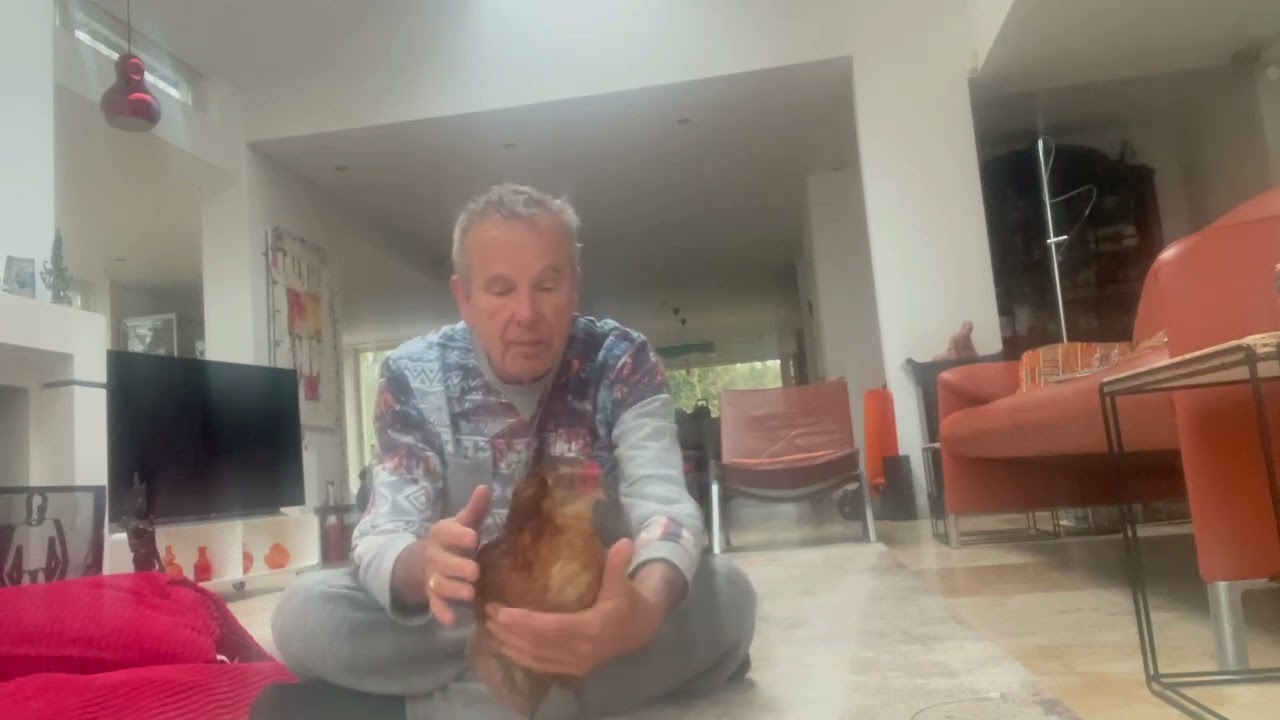
The Art of Handling and Taming Chickens: A Gentle Approach
Chickens are not only popular farm animals but also fascinating pets that can form strong bonds with humans. Whether you’re raising chickens for eggs, meat, or companionship, understanding how to handle and tame them is essential for building a positive relationship. This guide will provide you with practical tips and gentle techniques for taming your feathered friends, ensuring that both you and your chickens can enjoy a harmonious interaction.
Understanding Chicken Behavior
Before diving into handling techniques, it’s important to understand chicken behavior. Chickens are social creatures that display a variety of emotions and reactions. They have a natural pecking order and can sometimes be skittish, especially if they are not used to human interaction. Recognizing their body language is key to ensuring a positive experience.
Key Signs of Chicken Comfort
-
Calm Posture: Chickens that are comfortable will have relaxed body language. They won’t be tense or puffed up.
-
Natural Movement: A relaxed chicken will move freely, scratching and pecking around, or preening.
- Vocalizations: Soft clucking or purring sounds often indicate comfort. Loud squawking might suggest they are stressed or frightened.
Signs of Distress
-
Flapping Wings: This could indicate that the chicken feels threatened.
-
Ruffled Feathers: When a chicken fluffs up its feathers, it may be trying to appear larger or is feeling uncomfortable.
- Hiding or Freezing: A chicken that freezes or hides is likely feeling scared and needs time to feel safe.
Preparing for Interaction
Before you attempt to handle your chickens, it’s important to create a calm environment. This minimizes stress for both you and your birds. Here are some steps to prepare:
1. Establish a Routine
Chickens thrive on routine. Feeding them at the same time every day not only helps them feel secure but also sets a predictable pattern for interactions. They’ll begin to anticipate your presence as a positive experience associated with food.
2. Choose the Right Time
Avoid handling your chickens during high-stress times, such as when they’re being fed or when introducing new flock members. Instead, approach them during quieter moments, like after they’ve finished their meals or while they are basking in the sun.
3. Approach Calmly
When approaching your chickens, move slowly and calmly. Sudden movements can frighten them, leading to stress or aggression. Speak softly to them as you approach to establish trust.
Handling Techniques
Once you’re prepared, you can begin the actual process of handling your chickens. Here are some effective methods to do so gently:
1. The Scoop Method
This method is ideal for picking up chickens, especially those who are not accustomed to being handled.
-
Get Low: Squat down to their level to avoid startling them.
-
Extend Your Hands: With open palms, gently scoop under their body.
- Lift Smoothly: Once you have a firm grip, lift them smoothly while supporting their legs. Avoid gripping too tightly; a relaxed chicken will feel secure in your hands.
2. Cradling
Cradling is particularly useful for larger breeds.
-
Position Your Arm: Slide one arm under the chicken’s body for support.
-
Secure the Head: Use your other hand to gently hold the chicken’s wings against its body, preventing flapping.
- Hold Close: Cradle the chicken close to your chest, as this mimics the warmth and security of a nest.
3. Training with Treats
Utilizing treats can help in taming chickens effectively.
-
Choose Safe Treats: Offer treats such as mealworms or fruits. Ensure these are suitable for chickens.
-
Use Positive Reinforcement: Allow them to come to you for treats. Gradually, they’ll associate your presence with something positive.
- Gentle Touch: As they become comfortable, you can start petting them while offering treats.
Building Trust Over Time
Patience is crucial when taming chickens. Here are some strategies to enhance trust:
1. Consistent Interaction
Spend time near your chickens daily. Even if you’re just observing them, your consistent presence will help them feel more secure. Gradually, they will start approaching you on their own.
2. Observe Individual Personalities
Each chicken has a unique temperament. Some may be more curious, while others might be shy. Spend time observing their behavior to identify their comfort levels. Tailor your approach based on their individual personalities.
3. Create a Safe Space
A safe and comfortable environment helps calm your chickens. Ensure that their coop and run are free from threats like predators, loud noises, and sudden movements. When they feel safe, they are more likely to be open to interaction.
Enjoying the Bond
As you implement these gentle techniques, you will start to notice an improvement in your relationship with your chickens. Observing their behavior becomes enjoyable, as their trust in you grows.
Fun Activities to Engage with Chickens
-
Interactive Games: Create simple games like hide-and-seek with treats.
-
Obstacle Courses: Set up a mini obstacle course for them to navigate, stimulating their minds.
- Hand Feeding: Take the time to hand-feed them; this enhances trust and strengthens your bond.
Conclusion
Taming and handling chickens requires patience, understanding, and a gentle approach. By creating a calm environment, establishing a routine, and employing gentle handling techniques, you will foster a trusting relationship with your feathered friends. With time, your chickens can become friendly, social pets, enhancing your experience of raising them. In this journey, enjoy the small victories, and be ready for the unique personalities that each chicken brings to your life.
