
Blog
Future of AI in Transportation: Efficiency and Safety
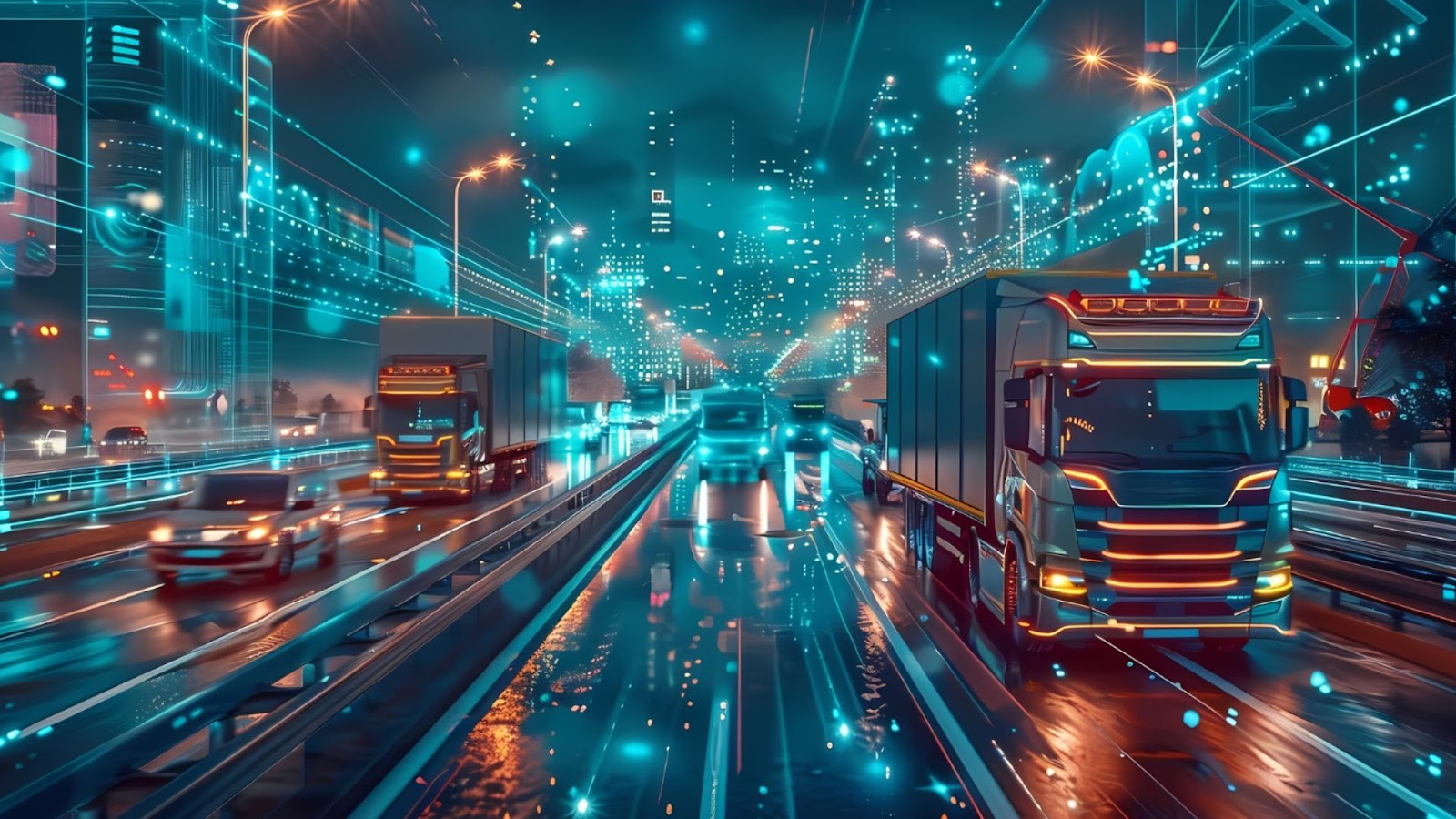
The Evolving Landscape of AI in Transportation
The transportation sector is experiencing a revolutionary transformation, driven largely by advancements in artificial intelligence (AI). As we look to the future, it is clear that AI will play a pivotal role in enhancing both efficiency and safety in transportation systems. This blog post delves into how AI is reshaping this critical industry, the benefits it offers, and what lies ahead.
Understanding AI’s Role in Transportation
AI encompasses a variety of technologies, including machine learning, data analytics, and computer vision. These technologies enable systems to learn from data, recognize patterns, and make informed decisions autonomously. In transportation, AI can streamline operations, enhance safety protocols, and improve the overall experience for both passengers and operators alike.
Enhancing Efficiency Through AI
Optimized Route Planning
One of the foremost applications of AI in transportation is optimized route planning. Algorithms can analyze large datasets to identify the most efficient routes based on factors such as traffic patterns, weather conditions, and road closures. This results in reduced travel times and fuel consumption, significantly benefiting logistics companies and public transport systems.
Smart Traffic Management
Intelligent traffic management systems powered by AI can monitor and control traffic flow in real-time. These systems use data from cameras, sensors, and GPS devices to reduce congestion. By adjusting traffic light timings dynamically, they can improve vehicle flow, lessen delays, and ultimately enhance urban mobility.
Predictive Maintenance
AI is also revolutionizing fleet management through predictive maintenance. Transport companies can utilize AI-driven analytics to predict vehicle failures before they occur. By analyzing historical data from various sensors, AI systems can alert operators to potential issues, reducing downtime and maintenance costs.
Improving Safety with AI
Advanced Driver-Assistance Systems (ADAS)
The introduction of Advanced Driver-Assistance Systems is perhaps one of the most significant safety advancements attributed to AI. Features like lane departure warnings, automatic emergency braking, and adaptive cruise control rely on AI to interpret data from cameras and sensors, providing drivers with essential support and ultimately saving lives.
Autonomous Vehicles
The future of transportation is rapidly leaning toward fully autonomous vehicles. Companies are investing heavily in AI technology, allowing vehicles to navigate roads, make decisions, and learn from their environments without human intervention. This technology has the potential to dramatically reduce accidents caused by human error, which accounts for a substantial percentage of traffic incidents.
Enhanced Surveillance and Risk Assessment
Beyond vehicles, AI enhances safety in transportation infrastructure. Advanced algorithms can analyze surveillance footage to identify suspicious behavior or detect accidents. Furthermore, risk assessment tools powered by AI can evaluate transportation routes and infrastructure for vulnerabilities, allowing for proactive safety measures.
The Role of Data in AI-Driven Transportation
The effectiveness of AI in transportation hinges on the ability to collect and analyze vast amounts of data. Data sources include traffic sensors, GPS signals, social media feeds, and weather reports. By leveraging this data, AI systems can provide actionable insights that lead to better decision-making and improved overall efficiency.
Overcoming Data Privacy Concerns
However, the reliance on data brings forth challenges, particularly regarding privacy. Stakeholders in transportation must navigate regulations and ethical considerations to ensure that data collection methods respect individual privacy rights. Implementing transparent data management practices can help build trust with the public and pave the way for broader AI adoption.
The Integration of AI and Sustainability
As the world becomes more environmentally conscious, integrating AI into transportation systems can contribute to sustainability goals. AI technologies can optimize fuel efficiency, minimize emissions, and encourage the use of public transportation through smart solutions.
Encouraging Electric Vehicle Adoption
AI can play a critical role in facilitating the widespread adoption of electric vehicles (EVs). By analyzing charging station availability, driver habits, and battery management, AI can create seamless experiences for EV users, ultimately encouraging a shift towards greener transportation options.
Future Possibilities: What Lies Ahead
As we look to the future, the possibilities for AI in transportation are boundless. Continued investment in research and development will lead to even more innovative solutions, enhancing not only efficiency and safety but also the user experience.
The Growth of Mobility-as-a-Service (MaaS)
One emerging trend is the concept of Mobility-as-a-Service (MaaS), which leverages AI to integrate various transportation modes into a single accessible platform. This innovation allows users to plan their journeys using a combination of options, such as public transit, ridesharing, or bike-sharing, all in real-time.
Global Connectivity and AI
As AI continues to enhance transportation, it also fosters global connectivity. Improved logistical operations and transportation networks can facilitate trade and travel, driving economic growth and enhancing global collaboration.
Conclusion
The future of AI in transportation is an exciting landscape filled with opportunities for efficiency, safety, and sustainability. As both public and private sectors invest in this transformative technology, it is essential for stakeholders to address challenges such as data privacy and ethical considerations proactively. By embracing these innovations, we can pave the way for a safer, more efficient, and sustainable transportation system that meets the demands of a rapidly changing world. The journey is just beginning, and with AI at the helm, the horizon looks promising.
