
Blog
Florida Pickleball Boom Sparks HOA Conflicts, Lawsuits Over Noise
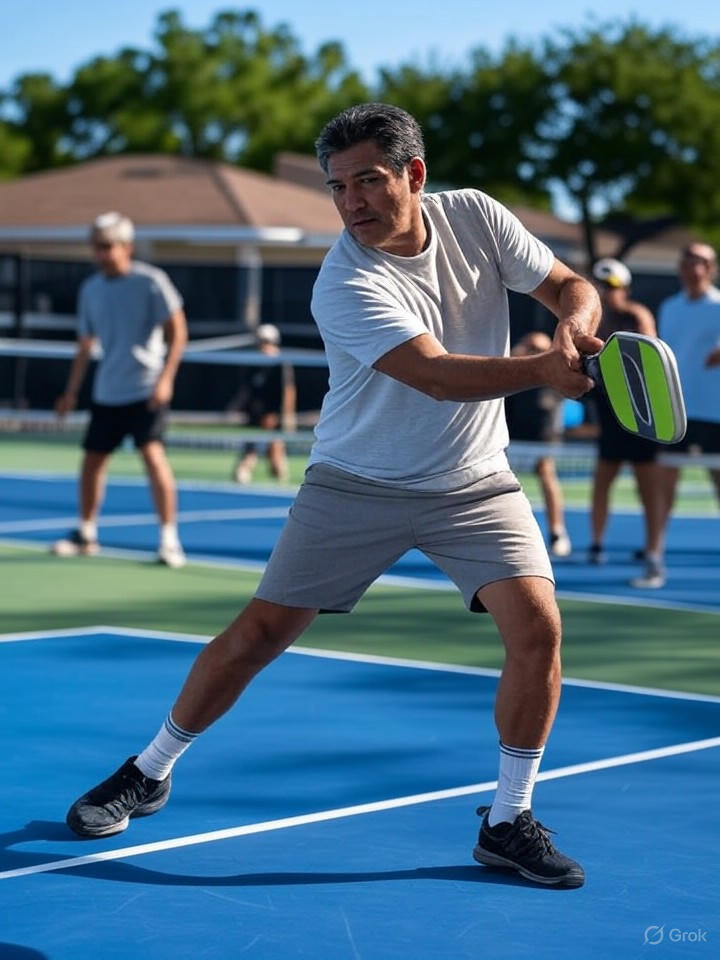
The explosive growth of pickleball in Florida has turned this once-obscure sport into a hot topic, generating both excitement and tension within communities. As more residents take up this engaging activity, Homeowners Associations (HOAs) are grappling with the challenges that accompany increased participation. Noise complaints and disputes have surged, leading to a series of conflicts and lawsuits that could affect how communities manage recreational activities. In this article, we will explore the pickleball phenomenon, its impact on Florida communities, and what residents and HOAs can do to foster a harmonious environment.
The Rise of Pickleball in Florida
What is Pickleball?
Pickleball is a paddle sport that combines elements of tennis, badminton, and ping-pong. Played on a smaller court with a plastic ball and wooden or composite paddles, this game is accessible and enjoyable for all ages. Its rising popularity in Florida, often dubbed the "pickleball capital of the world," has resulted in a flurry of new courts and facilities.
Why the Surge?
Several factors contribute to the pickleball boom in Florida:
- Accessibility: Pickleball is easy to learn and does not require extensive physical fitness, making it ideal for both younger players and seniors.
- Community Engagement: Many retirees seek social interaction, and pickleball provides a fantastic venue for connecting with neighbors.
- Health Benefits: The sport promotes physical activity and overall wellness, attracting health-conscious individuals.
Conflicts Arise: The HOA Dilemma
As communities embrace pickleball, the challenges posed by increased noise levels have come to the forefront. Courts tend to generate sound that’s sometimes considered disruptive, leading to complaints from residents living nearby.
Common Issues Encountered by HOAs:
- Noise Complaints: The sound of the ball and paddles can disturb the peace, especially in residential areas.
- Court Availability: Increased demand for pickleball courts can lead to scheduling conflicts, leaving some residents feeling excluded.
- Legal Disputes: Frustrated residents may escalate issues to the HOA board, resulting in possible lawsuits.
Strategies for Conflict Resolution
To alleviate tensions and ensure a thriving pickleball community, both residents and HOAs can adopt several strategies:
For Residents:
- Engage with the HOA: Attend meetings to express concerns and propose solutions related to noise.
- Sound Mitigation: Consider soundproofing options or advocating for quieter surface materials for courts.
For HOAs:
- Set Clear Guidelines: Establish operational hours for pickleball courts to minimize disturbances during early mornings or late evenings.
- Community Polls: Conduct surveys to gauge interest in pickleball and adjust resources according to feedback.
- Scheduled Play: Implement a booking system to manage court time and alleviate overcrowding.
Case Studies of Successful Resolutions
Several Florida communities have successfully navigated the pickleball dilemma, providing useful insights:
- The Villages: This premier retirement community has invested in soundproofing technologies and designated specific hours for pickleball play, creating harmony.
- Pelican Bay: By incorporating noise-reducing features and establishing a complaint resolution process, Pelican Bay has seen fewer disputes while fostering community engagement.
Frequently Asked Questions
What Should I Do If I Have Noise Complaints?
Start by documenting instances of noise and addressing your concerns with the HOA, suggesting potential sound mitigation solutions.
Can HOAs Enforce Noise Regulations?
Yes, HOAs typically have the authority to enforce rules and guidelines aimed at maintaining community peace.
Are There Any Legal Protections for Pickleball Players?
Certain laws protect recreational activities in community settings; however, the specific provisions vary by location and HOA regulations.
Conclusion
The pickleball boom in Florida presents both opportunities and challenges for residents and HOAs. By fostering communication, implementing effective noise management strategies, and promoting inclusive recreational activities, communities can embrace this beloved sport without compromising residential harmony. As pickleball becomes a cornerstone of community engagement, it’s crucial for everyone to navigate these changes collaboratively to ensure a fulfilling experience for all.
Additional Resources
For more insights on best practices and community engagement strategies related to pickleball, consider visiting Theme Bazar for recommendations tailored to your community needs.
Always remember, sustainable growth and cooperation are key to transforming conflicts into opportunities for unity and fun.
