
Blog
Exploring AI in Agriculture: Current Applications and Future Trends
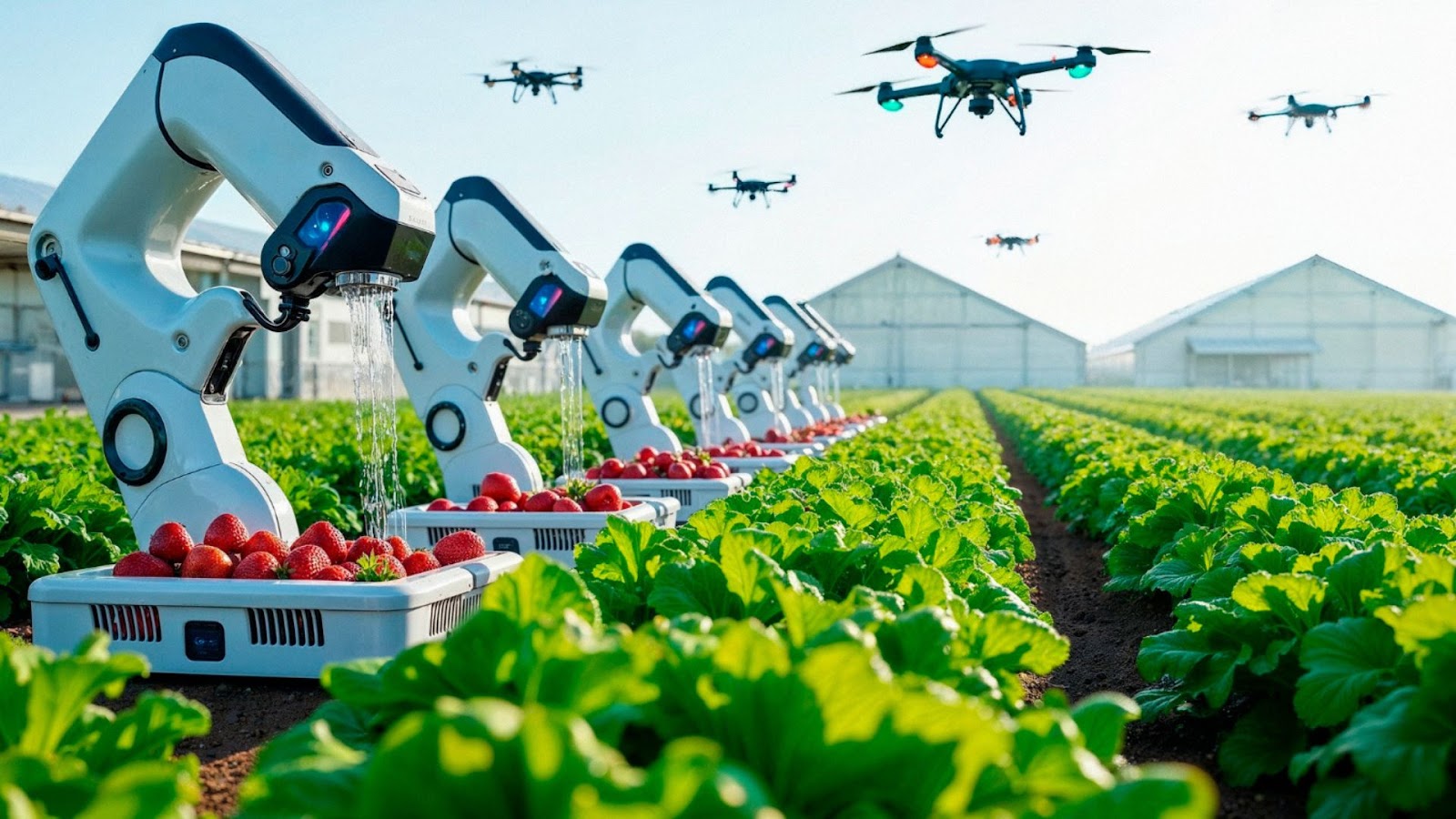
Unlocking the Potential of AI in Agriculture
Agriculture has always been a cornerstone of civilization, but with the advent of technology, it’s on the brink of a revolution. AI in agriculture is reshaping the industry, streamlining processes, and improving yields like never before. In this blog post, we’ll explore the current applications of AI in agriculture, its transformative impact, and what the future holds.
Why AI in Agriculture is Essential
The agricultural sector faces numerous challenges, including climate change, population growth, and resource scarcity. AI provides innovative solutions to these issues, enabling farmers to optimize operations, reduce waste, and enhance productivity. By harnessing data-driven insights, AI empowers farmers to make informed decisions that lead to sustainable growth.
Current Applications of AI in Agriculture
AI technologies are being integrated into various facets of agriculture, enhancing efficiency and sustainability. Here are some prominent applications:
1. Precision Farming
Precision farming uses AI to analyze data from various sources such as soil sensors, weather stations, and satellite imagery. This data informs farmers about the optimal time for planting, irrigating, and harvesting. Key benefits include:
- Increased Crop Yields: By understanding specific crop needs, farmers can significantly boost production.
- Resource Management: Farmers can use resources more efficiently, minimizing waste and costs.
2. Pest and Disease Detection
Advanced AI models can identify pests and diseases through image recognition and machine learning algorithms. Early detection helps in:
- Targeted Treatments: Farmers can apply pesticides or treatments only where needed, reducing chemical usage.
- Cost Savings: Minimizing widespread applications lowers overall expenditure on pest control.
3. Autonomous Machinery
Robotics powered by AI are becoming the norm, with machinery that can plant, weed, and harvest crops autonomously. The benefits include:
- Labor Efficiency: Reducing the dependence on manual labor, especially in regions facing labor shortages.
- Operational Consistency: Machines provide uniformity in farming practices, leading to higher quality produce.
4. Supply Chain Optimization
AI is also transforming the agricultural supply chain. From predicting demand to managing logistics, AI enhances efficiency by:
- Reducing Food Waste: Accurate forecasting helps stabilize supply and demand, minimizing surplus.
- Streamlining Distribution: Automating logistics reduces delays, ensuring fresh produce reaches consumers promptly.
Future Trends in AI for Agriculture
The potential of AI in agriculture is still unfolding, with several key trends on the horizon:
1. Enhanced Data Analytics
As data collection methods improve, AI will provide more profound insights into soil health, crop genetics, and weather patterns. Utilizing satellite data and IoT devices will lead to:
- Customized Farming Solutions: Tailored recommendations for farmers based on real-time data.
- Predictive Analysis: Toolsets that proactively mitigate risks associated with weather and market fluctuations.
2. Sustainable Practices
It’s vital for agriculture to embrace sustainable methods. AI will play a crucial role in:
- Resource Conservation: Optimizing water and nutrient use to prevent over-extraction of resources.
- Environmental Monitoring: AI systems can continuously monitor ecosystems, mitigating negative impacts on biodiversity.
3. Integration of Blockchain Technology
Combining AI with blockchain can improve transparency and traceability in agriculture. The implications include:
- Enhanced Food Safety: Comprehensive tracking of the supply chain can ensure the integrity of food products.
- Better Compliance: Streamlining regulatory compliance through transparent transactions.
Tips for Farmers Considering AI Solutions
If you’re a farmer looking to incorporate AI into your operations, here are some valuable tips:
- Start Small: Implement pilot projects to test AI technologies before scaling up.
- Invest in Training: Ensure your team is educated in AI tools to maximize their effectiveness.
- Seek Partnerships: Collaborate with tech firms or agricultural universities to access cutting-edge innovations.
Frequently Asked Questions
What are the costs associated with implementing AI in agriculture?
While initial costs can vary, the long-term savings from increased efficiency and crop yields often offset these expenses. Many solutions offer tiered pricing to cater to diverse budgets.
How can AI improve sustainability in farming?
AI enhances resource management, reduces waste, and predicts environmental impacts, facilitating sustainable practices that protect ecosystems.
Are there any risks involved with AI adoption in agriculture?
Like any technology, there are risks, including reliance on data accuracy and potential cybersecurity threats. However, implementing best practices can mitigate these risks.
Conclusion
The integration of AI in agriculture is paving the way for a new era of farming that emphasizes efficiency, sustainability, and productivity. As technology continues to evolve, it will be essential for farmers to stay informed and embrace these innovations. With the right strategies, the agricultural sector can leverage AI to meet the challenges of tomorrow.
For further insights, you might find these resources helpful:
- Understanding Precision Agriculture
- The Role of AI in Modern Farming
- Sustainable Agricultural Practices
By staying at the forefront of agricultural technology, you can ensure a prosperous future for your farming endeavors.
