
Blog
como ter um editor no site #programming #wordpress #plugin #sitewordpress
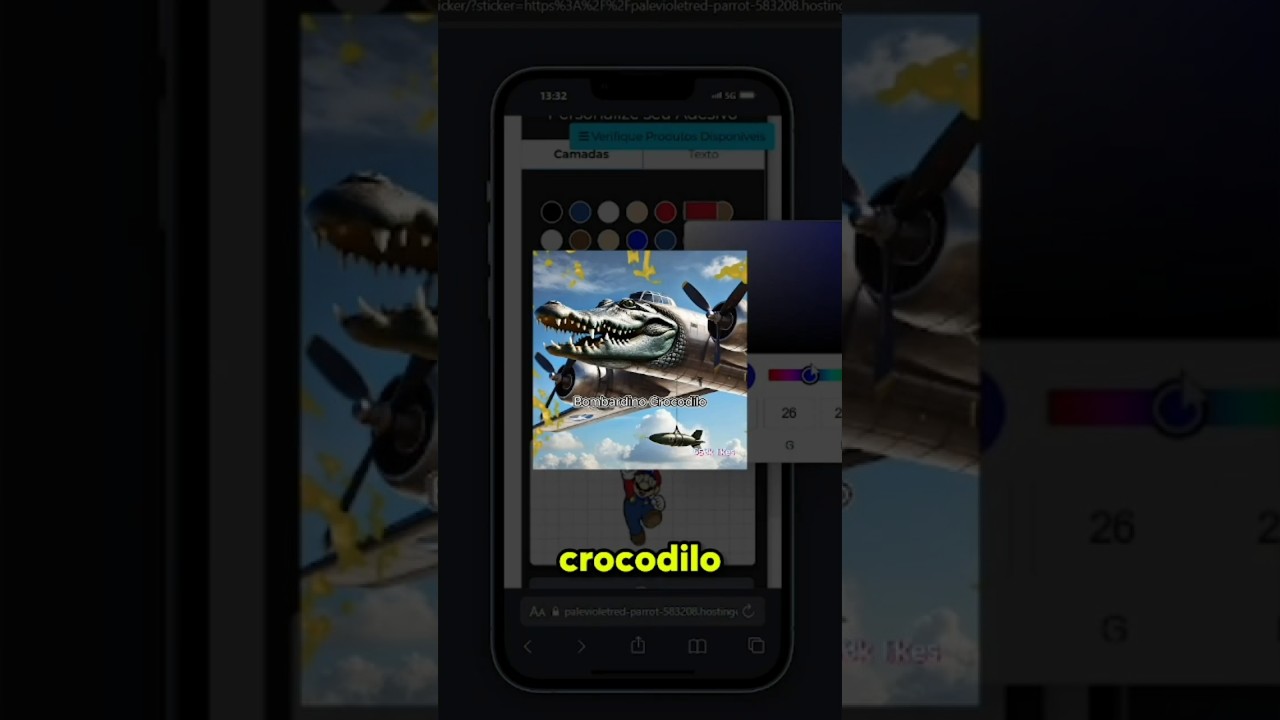
How to Add a Custom Editor to Your WordPress Website
Creating and managing content on a WordPress site can become cumbersome as your site grows. A powerful way to streamline this process is by adding a custom editor. This not only improves usability but also enhances your website’s overall functionality. In this guide, we’ll walk you through the steps to add an editor to your WordPress website, focusing on plugins, code adjustments, and best practices.
Understanding the Role of a Custom Editor
Before diving into the technical details, it’s crucial to understand the purpose of a custom editor. A custom editor allows you to manage various content types more effectively. Whether you’re operating a blog, an e-commerce site, or a portfolio, having tailored editing capabilities can make your workflow seamless.
-
Enhances User Experience: A custom editor can simplify the editing process, making it more intuitive for users who may not be familiar with the standard WordPress interface.
- Increases Efficiency: Custom edit functionalities can help streamline the workflow, allowing for faster content updates and management.
Why Use a Plugin?
Using a plugin is typically the simplest method for adding an editor to your WordPress website. Plugins can provide extensive features without requiring in-depth coding knowledge. Here are some popular plugins you might consider:
1. Advanced Custom Fields (ACF)
ACF is a powerful plugin that allows you to add custom fields to your posts and pages. It offers a flexible way to create any type of content structure you want.
- Features: Create text fields, image uploads, repeatable fields, and flexible layouts.
- How to Use: After installing and activating ACF, you can create custom field groups and assign them to specific posts or pages.
2. User Role Editor
This plugin allows you to define user roles and capabilities, which can be essential when multiple users are involved in content creation.
- Features: Control who can edit, publish, or delete content.
- How to Use: Install the plugin, navigate to Users > User Role Editor, and customize the permissions according to your requirements.
3. Page Builder Plugins (Elementor, Beaver Builder)
Page builders let you create complex layouts without any coding. They come with a visual editor that is easy to use and customizable.
- Features: Drag-and-drop capabilities, responsive design, pre-built templates.
- How to Use: Install your preferred page builder, and you will find a new editing interface when you create or edit a page.
Developing a Custom Editor with Code
If you’re comfortable with coding and want a tailored solution, developing a custom editor can be a rewarding project. Below are simplified steps to create a basic custom editor using WordPress hooks.
Step 1: Create a Child Theme
Before adding any custom code, it’s recommended to create a child theme to prevent losing changes during updates.
-
Create a Child Theme Directory: In your WordPress installation, navigate to
wp-content/themesand create a new folder, e.g.,yourtheme-child. - Add a Style Sheet: Create a
style.cssfile in the new directory with necessary information.
Step 2: Enqueue Scripts
You will need to enqueue your scripts or styles properly to make sure they function without issues.
php
function enqueue_custom_editor_scripts() {
wp_enqueue_script(‘your_custom_script’, get_stylesheet_directory_uri() . ‘/js/custom-editor.js’, array(‘jquery’), null, true);
}
add_action(‘admin_enqueue_scripts’, ‘enqueue_custom_editor_scripts’);
Step 3: Customize the Editor
You can leverage the WordPress REST API and JavaScript to enhance the editor’s capabilities. Create a basic custom editor interface that pulls data from your posts.
-
Create a New Editor File: Create a
custom-editor.jsfile where you can manipulate data. - Use AJAX for Dynamic Content: Use AJAX calls to fetch and update content asynchronously.
javascript
jQuery(document).ready(function($) {
// Accessing the WordPress REST API to pull post data
$.ajax({
url: ‘/wp-json/wp/v2/posts’,
method: ‘GET’,
success: function(data) {
// Logic to create a custom editor interface
}
});
});
Best Practices for Custom Editors
Once you’ve added your custom editor, consider the following best practices to maximize efficiency and usability:
-
Test Across Devices: Ensure your editor is responsive and works well on various screen sizes.
-
User Training: Provide training for users so they understand how to use the custom editor effectively.
-
Maintain Regular Backups: Regularly backup your site to prevent data loss, especially when customizing functionalities.
- Monitor Performance: Use tools like Google PageSpeed Insights to ensure that the additions do not negatively impact your site’s performance.
Troubleshooting Common Issues
In the process of implementing a custom editor, you may encounter some common issues. Here are a few tips to troubleshoot:
-
Plugin Conflicts: Sometimes, custom plugins may not work well together. Disable all plugins and enable them one by one to identify conflicts.
-
Permission Issues: If users cannot access the custom editor, revisit user roles and permissions to ensure that they are correctly set.
- Caching Issues: If you notice that changes are not reflecting, try clearing your browser’s cache or use a different browser.
Conclusion
Adding a custom editor to your WordPress site can significantly enhance your content management process. Whether you choose to utilize plugins for ease of use or opt for a more tailored coding approach, this addition can lead to a more efficient workflow and a better user experience. With the right setup and best practices in place, you’ll find that maintaining your website becomes a smoother and more enjoyable task. Don’t hesitate to explore various options, and keep evolving your website’s capabilities to meet your needs.
