
Blog
Clone ANY Website using AI – just ONE click!
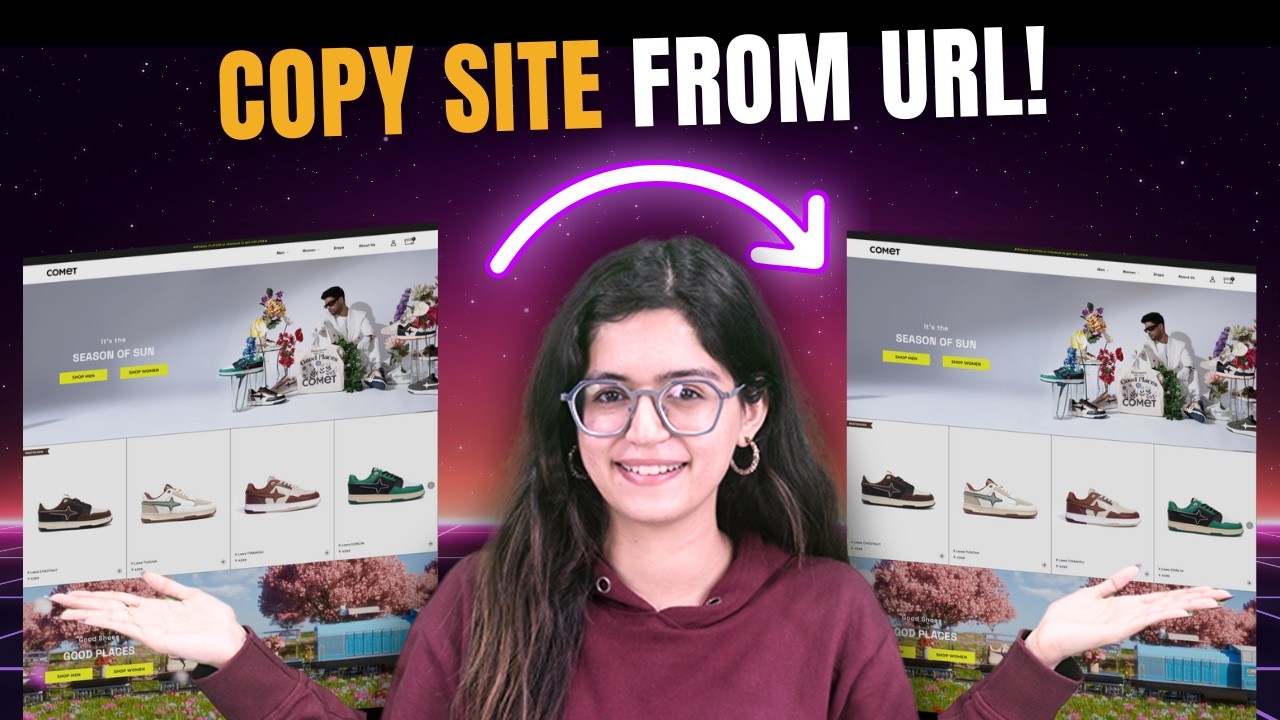
The Future of Web Development: Cloning Websites with AI in a Single Click
The digital landscape is evolving rapidly, and artificial intelligence (AI) continues to push the boundaries of what’s possible. One of the latest breakthroughs? The ability to clone entire websites using AI technology—with just one click. Whether you’re a developer, business owner, or digital creator, this innovation could revolutionize how you approach web design, content creation, and online scalability.
In this guide, we’ll explore how AI-powered website cloning works, its practical applications, and the ethical considerations it raises.
What Is AI-Powered Website Cloning?
AI website cloning refers to the process of replicating an existing website’s structure, design, and content using artificial intelligence tools. Unlike traditional methods that require manual coding or template adjustments, these tools analyze a target website’s code, layout, and functionality to generate an identical or customized copy.
This technology leverages machine learning models to understand design patterns, extract text and media, and recreate responsive elements. The result? A fully functional duplicate of a website—or a modified version tailored to your needs—in mere seconds.
How Does AI Clone a Website in One Click?
The “one-click” promise isn’t an exaggeration. Here’s a simplified breakdown of how AI systems tackle website replication:
-
Website Analysis
The AI scans the target URL, examining HTML, CSS, JavaScript, and backend frameworks. It identifies key components like headers, menus, buttons, and media placements. -
Code Extraction
The tool extracts and categorizes code snippets, stylesheets, and assets (e.g., images, videos) from the original site. -
Template Generation
Using pre-trained algorithms, the AI constructs a template that mimics the original site’s design and user experience. -
Content Adaptation
Text, images, and other media are either directly copied or recreated through generative AI (for unique content). - Deployment
The cloned site is deployed to a new domain or hosting platform, ready for customization or immediate use.
While the process sounds technical, modern tools abstract the complexity, allowing users to replicate websites without coding expertise.
Why Use AI to Clone Websites? Key Benefits
From startups to enterprises, AI-driven cloning offers transformative advantages:
1. Time and Cost Efficiency
Building a website from scratch often takes weeks and requires hiring developers or designers. AI tools eliminate this bottleneck by producing a functional clone in minutes, slashing development costs by up to 70%.
2. Effortless Customization
Clone a competitor’s landing page, then tweak colors, fonts, or CTAs to match your brand—all through an intuitive dashboard. Some tools even suggest design improvements using predictive analytics.
3. Rapid Prototyping
Test ideas without investing in full-scale development. Clone a template, modify elements, and gather user feedback before finalizing your site.
4. SEO Preservation
Advanced tools retain metadata, alt tags, and URL structures from the original site, helping maintain SEO rankings during replication.
5. A/B Testing at Scale
Create multiple website variants to experiment with layouts, pricing pages, or ad placements—without manually rebuilding each version.
Practical Applications of Website Cloning
AI cloning isn’t just a novelty—it solves real-world challenges across industries:
For Entrepreneurs
- Launch e-commerce stores faster by replicating successful product pages.
- Mirror landing pages for region-specific marketing campaigns.
For Developers
- Reuse code snippets or design frameworks from existing projects.
- Migrate legacy websites to modern platforms without rewriting code.
For Content Creators
- Duplicate portfolio templates to showcase diverse work.
- Repurpose blog layouts for consistent branding across niches.
For Educators
- Clone educational platforms to create course-specific portals.
- Replicate interactive elements like quizzes or dashboards.
Ethical and Legal Considerations
While AI cloning offers immense potential, it’s essential to navigate its ethical implications carefully:
-
Copyright Infringement
Cloning a website without permission may violate intellectual property laws. Always seek authorization or use royalty-free templates. -
Duplicate Content Penalties
Search engines like Google penalize sites with copied content. Use AI tools that generate unique text or rewrite existing copy. - Brand Integrity
Avoid replicating competitors’ designs too closely, as this could harm your brand’s reputation or lead to legal disputes.
Pro Tip: Many AI cloning tools include compliance filters to block unauthorized replication of copyrighted material.
Top AI Tools for Website Cloning (No Links Included)
While we won’t link to specific platforms, here’s what to look for in AI cloning tools:
- One-Click Functionality
Prioritize platforms with instant cloning capabilities. - Customization Options
Ensure the tool allows editing fonts, colors, and layouts post-cloning. - SEO Optimization
Choose solutions that preserve or enhance on-page SEO elements. - Export Flexibility
Opt for tools that let you export code to WordPress, Shopify, or static site generators.
Research terms like “AI website copier” or “automated site replication tools” to find reputable options.
Step-by-Step: How to Clone a Website Using AI
Ready to try it yourself? Follow this general workflow (steps may vary by tool):
-
Choose a Tool
Select an AI platform specializing in website replication. -
Input the Target URL
Enter the website link you wish to clone. -
Configure Settings
Specify elements to copy (e.g., header, blog layout) and exclude (e.g., images, specific pages). -
Generate the Clone
Initiate the cloning process. Most tools complete this in under a minute. -
Edit and Personalize
Adjust the design, replace placeholder content, and add brand assets. - Publish
Deploy the site to your preferred hosting service or domain.
Limitations of AI Website Cloning
While powerful, the technology isn’t flawless:
- Dynamic Content Challenges
AI may struggle to replicate interactive features like chatbots or real-time databases. - Quality Variance
Free tools often produce clunky code or broken layouts. - Over-Reliance Risk
Excessive cloning can stifle creativity, leading to generic web designs.
The Future of AI in Web Development
As AI evolves, expect cloning tools to integrate features like:
- Voice-to-Design – Build sites by describing them verbally.
- Cross-Platform Adaptation – Clone a website and auto-generate matching mobile apps.
- Self-Healing Code – AI detecting and fixing bugs in cloned sites.
These advancements will democratize web development further, empowering non-technical users to create sophisticated digital experiences.
Conclusion
AI-driven website cloning exemplifies how automation is reshaping industries. By mastering these tools, businesses can accelerate growth, reduce overhead, and experiment boldly. However, success hinges on balancing innovation with ethics—clone wisely, prioritize originality, and stay updated on legal frameworks.
As the adage goes, “Technology is best when it brings people together.” With responsible use, AI cloning can do just that, enabling collaboration, efficiency, and accessibility in the digital world.
