
Blog
Automate SEO WordPress Content with AI using n8n, OpenAI & Perplexity
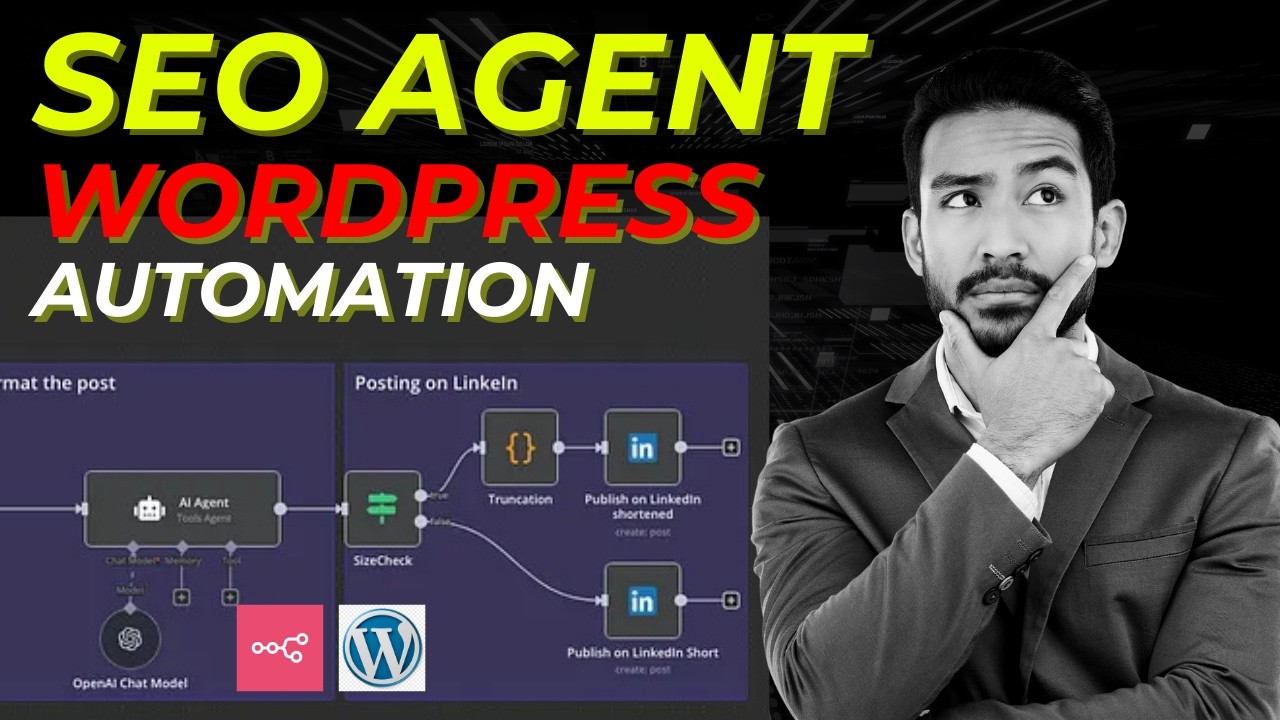
Automating SEO-Optimized WordPress Content with AI
In the ever-evolving digital landscape, content creation remains a crucial element of any successful marketing strategy. With the rise of artificial intelligence (AI), automating SEO for WordPress content has become a game-changer for many businesses. Utilizing tools like n8n, OpenAI, and Perplexity allows you to streamline your processes while delivering high-quality, optimized content. This guide will explore how to integrate these technologies to enhance your content creation workflow.
Understanding the Components
What is n8n?
n8n is an open-source automation tool that enables you to create intricate workflows by connecting various applications and services. Unlike traditional automation platforms, n8n offers the flexibility to customize your workflows according to specific business needs.
The Role of OpenAI
OpenAI offers cutting-edge AI models capable of generating human-like text, making it an excellent choice for content creation. Whether you’re drafting blog posts, creating social media snippets, or generating emails, OpenAI can help enhance your writing process significantly.
What is Perplexity?
Perplexity is a robust AI-driven search engine that can provide contextual information, making it a valuable tool during the content creation process. Its ability to deliver accurate and relevant data can significantly enhance the quality of your content, ensuring it resonates well with your target audience.
Setting Up Your Workflow
Step 1: Establishing n8n
To get started, the first step is to set up n8n on your server or through a cloud service. Here’s a simple guide:
-
Installation: Download and install n8n from their official website. Follow the step-by-step instructions for set-up.
- Create Your First Workflow: Once installed, navigate to the workflow editor. Here, you can visualize how different nodes will interact with each other.
Step 2: Integrating OpenAI
After setting up n8n, the next step is to integrate OpenAI for content generation:
-
Add a Node for OpenAI: From the nodes menu, search for and select OpenAI.
-
API Key: You will need an API key from OpenAI. Register on their website and obtain the key, which you will input into the n8n OpenAI node.
- Set Parameters: Customize parameters like content style, tone, and length based on your audience’s preference. This customization can significantly influence the effectiveness of your content.
Step 3: Utilizing Perplexity
To enhance your content with relevant information, integrate Perplexity in your workflow:
-
Add a Perplexity Node: Similar to the OpenAI integration, look for the Perplexity node in the n8n node directory.
-
Configure Queries: Set specific queries that you want Perplexity to search for, ensuring that the information aligns with the topic you are generating content for.
- Data Extraction: Configure how you want to extract data from Perplexity and pass it on to the next node in your workflow.
Automating the Content Creation Process
Now that the essential tools are in place, it’s time to automate the content creation process:
-
Triggering the Workflow: You can set triggers to start the workflow. This can be a scheduled time, a new post request from WordPress, or even an HTTP request from an external application.
-
Generating Content: When the trigger activates the workflow, n8n will first call the Perplexity node to gather data. Once the information is acquired, it will be sent to the OpenAI node, generating optimized content based on the gathered insights.
- Publishing the Content: To automate the publishing process, add a WordPress node to the workflow. Once the content is generated, it can be directly pushed to your WordPress site as a new post or draft, ready for your review.
Ensuring SEO Optimization
While the automation process streamlines content creation, it’s essential to ensure that the output is SEO optimized:
Keyword Research
Before initiating your automated process, make sure you have performed keyword research to identify the main and secondary keywords relevant to your topic. Use tools like Google’s Keyword Planner or SEMrush for this purpose.
Meta Descriptions and Tags
After content generation, ensure that the workflow includes fields for adding meta descriptions and tags related to the post. These elements play a critical role in making your content discoverable.
Readability Checks
Using a tool like the Hemingway App or Grammarly, which aids in improving readability, can be an added step in your workflow. Integrate it into n8n to ensure the generated content is reader-friendly.
Benefits of Automation
Increased Efficiency
Automating the SEO content creation process saves time and effort, allowing your team to focus on strategic tasks rather than routine content generation.
Consistency in Quality
With AI tools, your content maintains a certain level of quality and tone, ensuring brand consistency across all platforms.
Data-Driven Insights
The integration of Perplexity allows you to leverage real-time data, ensuring that the content remains relevant and informed, which is crucial for SEO.
Future Trends in SEO and Automation
As technology evolves, the landscape of SEO and content creation will continue to shift. AI tools will play an increasing role in shaping strategies. Here are some future trends to watch:
Enhanced Personalization
AI and machine learning will facilitate even greater levels of personalization, tailoring content to individual user preferences and behaviors.
Voice Search Optimization
As smart speakers and voice assistants become more prevalent, optimizing content for voice search will become critical, requiring different strategies than traditional SEO.
Video Content Integration
Automating video content creation alongside written content is likely to become a norm. Incorporating AI-generated scripts and themes can open new avenues for engagement.
Conclusion
Automating your SEO-optimized content creation process using n8n, OpenAI, and Perplexity can significantly enhance your digital marketing strategy. By establishing this workflow, businesses can maintain consistency, improve efficiency, and focus on delivering high-quality, relevant content effortlessly. As you implement these technologies, you’ll not only stay ahead of the competition but also greatly enhance your overall content strategy, ensuring that your brand remains relevant in an increasingly digital marketplace.
