
Blog
AI-Generated WordPress Sites That ACTUALLY RANK (Proof Inside)
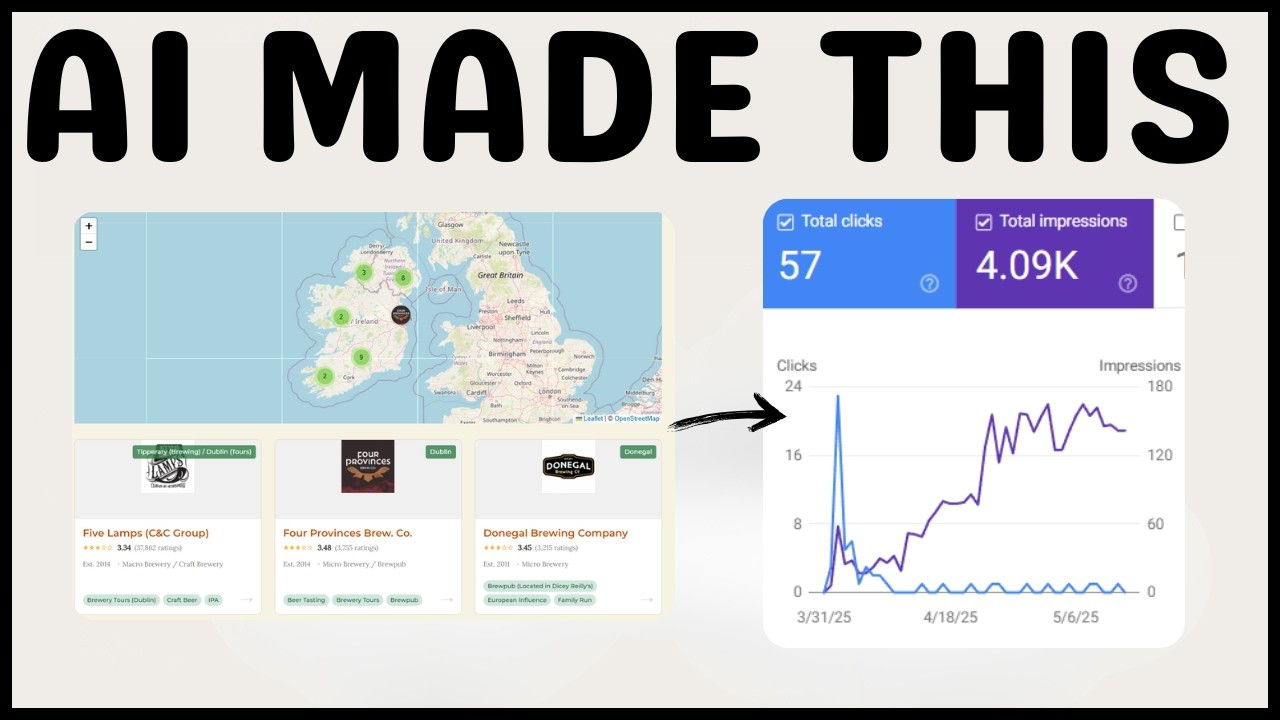
Introduction to AI-Generated WordPress Sites
The emergence of artificial intelligence (AI) has transformed various industries, and web development is no exception. Businesses and individuals alike are turning to AI to create WordPress sites that not only look professional but also rank well in search engines. This article delves into how AI can be effectively harnessed to build WordPress sites that achieve high rankings, alongside practical insights and tips.
Understanding the Role of AI in Web Development
AI is reshaping the web development landscape by automating various tasks that were once manual. From content creation to website design, AI technologies are enabling faster and more efficient processes. The primary advantages of employing AI in WordPress development include:
- Efficiency: Automating repetitive tasks saves time and reduces the chances of human error.
- Personalization: AI algorithms can analyze user behavior to provide tailored experiences.
- SEO Optimization: AI tools can optimize content for search engines, improving ranking potential.
Choosing the Right AI Tools for Your WordPress Site
Selecting the appropriate AI tools is crucial to building a high-ranking WordPress site. Here are some categories of tools worth considering:
1. AI Content Generators
Content is king in the world of SEO. Utilizing AI content generators can help create engaging and relevant articles, blogs, and web pages. Popular options include:
- OpenAI’s GPT Models: These advanced models can generate coherent text based on prompts, allowing for creative content that resonates with target audiences.
- Jarvis.ai: This tool specializes in generating high-quality marketing copy, product descriptions, and more.
2. SEO Optimization Tools
It’s not just about creating content; it’s essential to optimize it for search engines. Tools that focus on SEO improvements include:
- Surfer SEO: This tool analyzes high-ranking pages to suggest keyword optimization strategies, improving visibility.
- Yoast SEO: A well-known plugin for WordPress that guides users in optimizing on-page SEO elements.
3. Design and User Experience
A well-designed website is crucial for retaining visitors. AI-driven design tools can help create visually appealing layouts that enhance user experience. Options include:
- Wix ADI: While not exclusively for WordPress, it uses AI to design websites based on user preferences.
- Elementor: While primarily a page builder, its features can be enhanced with AI plugins for better design and layout suggestions.
Crafting Content That Ranks
Creating high-quality, SEO-optimized content is vital for ranking on search engines. Here are some practices to incorporate into your content strategy:
Conducting Keyword Research
Utilizing AI-powered keyword research tools can help identify trending topics and optimize for relevant search terms. Platforms like Ahrefs and SEMrush provide insights into keyword difficulty, search volume, and competitive analysis.
Creating Engaging and Relevant Content
Your content must address the needs and interests of your audience. Aim for a mix of informational and entertaining articles that solve problems or provide value. Incorporate storytelling elements to keep readers engaged and encourage them to share your content.
Optimizing Metadata
Your content’s metadata, including titles and descriptions, plays a crucial role in SEO. Use AI tools to generate compelling meta descriptions that encourage click-throughs while incorporating relevant keywords.
Building Quality Backlinks
Backlinks remain one of the most significant factors in SEO rankings. Leveraging AI tools can help identify potential backlink opportunities. Here are some strategies to build quality backlinks:
Outreach and Networking
AI-driven outreach tools can help automate the process of contacting website owners for guest posting or link exchanges. Tools like BuzzStream or Hunter.io can streamline this process, enabling you to build relationships with authority sites.
Analyzing Competitors’ Backlinks
Understanding your competitors’ backlink profiles can provide insights into potential linking opportunities. Tools like Moz and Ahrefs allow you to analyze competitor backlinks, helping you craft a strategy to acquire similar links.
Optimizing Site Speed and Performance
Site speed is a critical ranking factor for search engines and user experience. Use AI tools to optimize your site’s performance. Here are some actions to consider:
Image Optimization
Large images can slow down your website. Use AI tools that automatically compress and optimize images without sacrificing quality, such as TinyPNG or ShortPixel.
Caching Solutions
Implement caching plugins that utilize AI techniques to improve site speed. These plugins store static versions of your pages, drastically improving load times for repeat visitors.
Monitoring Performance and Analytics
Once your site is up and running, continuous monitoring is essential. Utilize AI-driven analytics tools to assess your site’s performance and make necessary adjustments. Here are some tools to consider:
Google Analytics
This free tool helps you track visitors, page performance, and bounce rates. Use it to gain insights into user behavior, allowing you to refine your content strategy.
SEMrush
Beyond keyword research, SEMrush offers tools for site health checks, backlink audits, and rank tracking. It can provide actionable insights to improve your SEO efforts continuously.
Future Trends in AI and SEO
As AI technology continues to develop, the future of SEO and web development will evolve alongside it. Some trends to watch for include:
- Voice Search Optimization: With the rise of voice-activated devices, optimizing content for voice search queries will become increasingly important.
- User Experience Signals: AI will play a more significant role in analyzing user engagement metrics, influencing search rankings based on user experience factors.
Conclusion
Harnessing AI to create WordPress sites that rank well is not just a trend; it’s becoming a necessity in the digital landscape. By utilizing the appropriate tools and strategies to optimize content, enhance user experience, and continuously monitor performance, you can build a successful WordPress site that excels in search engine rankings. Embracing these technologies will not only give you a competitive edge but also position you for long-term success in the online realm.
