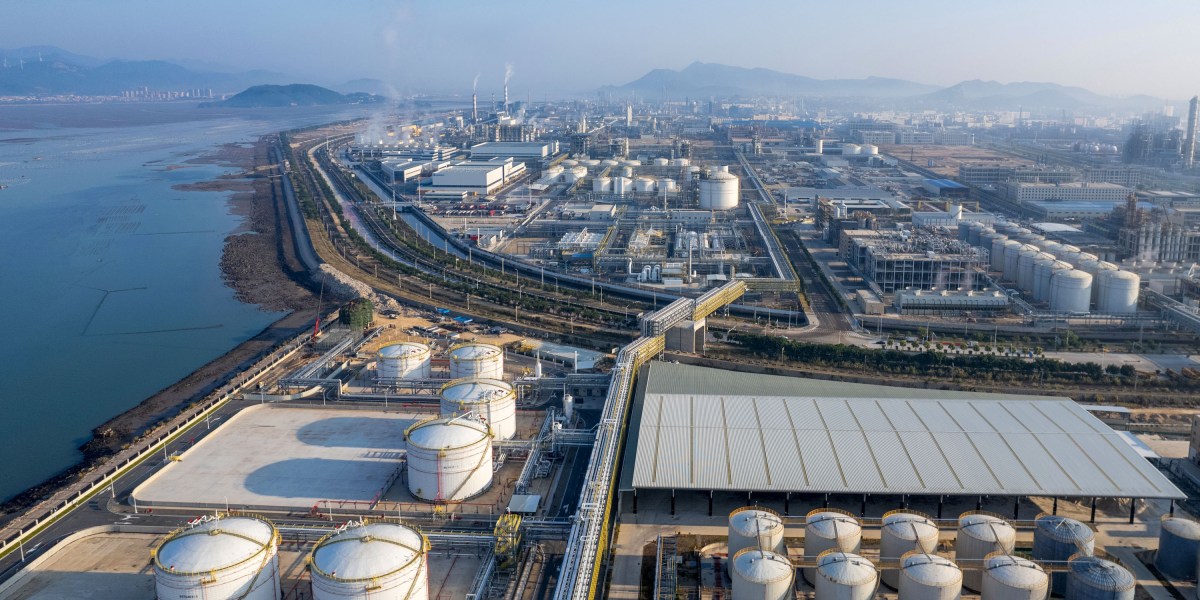
Understanding the Current Landscape of Clean Hydrogen
The clean hydrogen sector is gaining traction as a significant player in the transition toward sustainable energy. Organizations and governments worldwide are investing heavily in this clean fuel source, which promises to reduce our dependence on fossil fuels and lower greenhouse gas emissions. However, recent developments indicate that the path to widespread clean hydrogen adoption is far from straightforward.
The Promise of Clean Hydrogen
Clean hydrogen, particularly green hydrogen produced via electrolysis using renewable energy sources, is heralded as a versatile energy carrier. It holds the potential for various applications, from powering vehicles to heating buildings and serving as a feedstock for industrial processes. Its ability to serve as an energy storage medium also positions it as a critical component in balancing intermittent renewable energy sources like wind and solar.
Current Challenges Facing the Clean Hydrogen Sector
Despite its promise, the clean hydrogen industry is encountering significant hurdles that are slowing its momentum. Chief among these are high production costs, infrastructure challenges, and competition from alternative energy sources.
High Production Costs
The production of green hydrogen, which is derived from renewable resources, remains notably expensive compared to traditional hydrogen production methods. The technology required for electrolysis, while advancing, still requires substantial investment. As a result, clean hydrogen struggles to compete in price with hydrogen produced from fossil fuels, especially in regions where natural gas is abundant and inexpensive.
Infrastructure Limitations
A robust infrastructure is essential for the adoption of any new fuel source, and this holds true for clean hydrogen. Currently, hydrogen transportation and storage systems are limited. The existing pipelines designed for natural gas are not always compatible with hydrogen, and creating a new infrastructure from scratch will require significant financial backing and commitment from stakeholders.
Competing Energy Solutions
While clean hydrogen shows great promise, various other technologies are vying for attention in the quest for a sustainable energy future. Electricity storage solutions like batteries, along with other renewable technologies, are advancing quickly, making it difficult for hydrogen to secure its place at the forefront of the energy transition.
Policy and Funding Challenges
Government policies and financial incentives play a crucial role in the development of clean hydrogen technologies. However, inconsistent regulatory frameworks can hinder progress. While some regions offer substantial grants and tax incentives for clean hydrogen projects, others lag behind in supportive legislation. This patchy policy landscape can create an uncertain investment environment.
The Role of Government Initiatives
Countries around the globe are recognizing the potential of clean hydrogen and initiating programs to stimulate its growth. For example, the European Union has pledged funding to develop a hydrogen economy as part of its Green Deal. Similarly, the United States has introduced grants and funding opportunities to support research and pilot programs aimed at demonstrating hydrogen’s viability. These initiatives are essential but must be paired with cohesive, long-term strategies to ensure lasting impact.
Innovations in Clean Hydrogen Technology
Despite the challenges, innovation continues to flourish within the clean hydrogen sector. Researchers are working diligently on improving electrolysis technologies and exploring alternative methods of hydrogen production, such as biomethane reforming and thermochemical processes. These advancements could help lower costs and enhance the efficiency of hydrogen production.
Emerging Solutions
-
Electrolysis Improvements: The advancement of electrolyzers is crucial to making green hydrogen production more cost-effective. Innovations in materials and design are driving down the cost and increasing the efficiency of these systems.
-
Hybrid Systems: Hybrid systems that combine hydrogen production with other renewables, such as solar and wind, are being explored. These systems could provide a more stable output of clean hydrogen, addressing intermittency issues.
- Carbon Capture and Utilization: Some initiatives are focusing on integrating carbon capture technologies with hydrogen production methods. This can significantly reduce the carbon footprint associated with traditional hydrogen generation.
The Future of Clean Hydrogen
The outlook for clean hydrogen remains a subject of intense discussion among energy experts and policymakers. While the challenges are considerable, the commitment to advancing clean hydrogen technologies is strong. Collaborative efforts between governments, research institutions, and private companies will be crucial in overcoming existing hurdles.
A Vision for the Next Decade
Looking ahead, several key trends could shape the future of clean hydrogen:
-
Increased Investment: As clean hydrogen gains momentum, private sector investment is likely to surge. Investors are increasingly seeing the long-term potential of clean hydrogen as countries strive to achieve climate goals.
-
Global Collaborations: Cross-border initiatives and collaborations will play a significant role in advancing hydrogen technologies. Sharing knowledge, resources, and strategies could accelerate hydrogen adoption globally.
- Integration into Energy Systems: Clean hydrogen could be integrated into existing energy systems, aiding in the transition away from fossil fuels. As infrastructure develops, hydrogen could become a critical link in the chain of a more sustainable energy ecosystem.
Conclusion
Clean hydrogen stands at a crossroads, facing significant obstacles yet filled with potential. While the road may be rocky, ongoing advancements in technology, supportive policies, and increased collaboration can help pave the way for a thriving hydrogen economy. Through perseverance and innovation, clean hydrogen could eventually become an indispensable part of our sustainable energy future, fulfilling its promise of a cleaner, greener world.