
Blog
Google AI Introduces Agent Payments Protocol (AP2): An Open Protocol for Interoperable AI Agent Checkout Across Merchants and Wallets
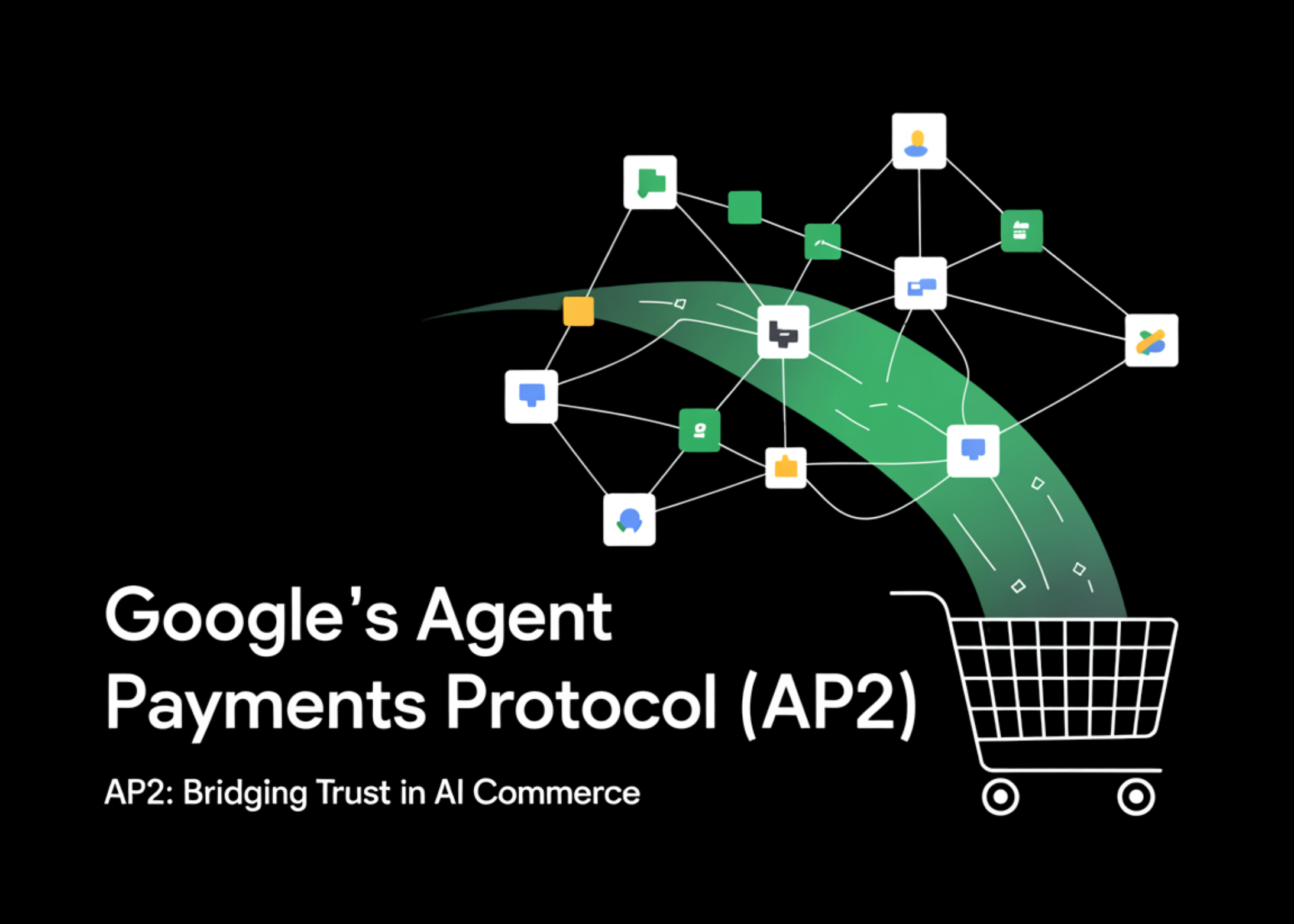
Introduction to Google’s Agent Payments Protocol
In a rapidly advancing digital marketplace, Google has unveiled a groundbreaking initiative: the Agent Payments Protocol (AP2). This innovative open protocol aims to streamline transactions across various merchants and digital wallets, heralding a new era in how businesses and consumers interact. By establishing a standardized framework for interoperable AI agent checkouts, Google seeks to enhance user experiences and drive efficiency in online payments.
Understanding Agent Payments Protocol (AP2)
What is AP2?
The Agent Payments Protocol is an open-source standard designed to facilitate seamless interactions between AI agents, merchants, and payment wallets. By employing this protocol, AI agents can efficiently process transactions on behalf of users, allowing for a more fluid shopping experience. The goal is to reduce friction during the checkout process, making online shopping quicker and more accessible.
The Need for Interoperability
As e-commerce continues to expand, the necessity for interoperability among different payment systems has never been greater. Shoppers today use a variety of digital wallets and payment methods, which can complicate transactions. AP2 addresses this issue by providing a unified framework through which all digital transactions can occur. This means that regardless of the platform or wallet, AI agents can effectively manage payments without any compatibility issues.
Key Features of AP2
Simplified Checkout Experience
One of the primary advantages of the Agent Payments Protocol is its ability to simplify the checkout process. By allowing AI agents to handle payments directly, users can enjoy a streamlined experience that reduces the steps needed to complete a transaction. This not only saves time but also minimizes the chances of cart abandonment.
Enhanced Security
Security is paramount in online transactions. AP2 incorporates advanced security measures to ensure that users’ financial information remains protected throughout the payment process. With secure authentication and encryption protocols in place, shoppers can have peace of mind knowing that their sensitive data is secure.
Compatibility with Multiple Wallets
Another compelling feature of AP2 is its compatibility with various digital wallets. Whether a consumer prefers Venmo, PayPal, or other options, AI agents can facilitate transactions across all these platforms. This flexibility encourages users to utilize their preferred payment methods without any barriers, promoting customer satisfaction and loyalty.
Benefits for Merchants
Increased Sales Potential
By utilizing the Agent Payments Protocol, merchants can indirectly increase their sales potential. A simplified checkout process encourages customers to complete their purchases, reducing cart abandonment rates. Additionally, merchants who accept a wider array of payment methods appeal to a broader audience, ultimately benefiting their bottom line.
Reduced Operational Costs
AP2 can also lead to reduced operational costs for merchants. By adopting a standardized checkout system, businesses can streamline their payment processing and eliminate the need for investing in multiple systems. This efficiency not only saves resources but also allows merchants to direct their efforts toward other critical areas of their business.
The Role of AI Agents
Enhancing Customer Interaction
AI agents play a vital role in the functionality of AP2. These intelligent systems are designed to understand customer preferences and behaviors, thereby enhancing interactions during the shopping experience. By analyzing data, AI agents can provide personalized recommendations and assist users throughout the purchase process.
Improving Decision-Making
The utilization of AI technology in conjunction with AP2 also aids in better decision-making for consumers. By processing vast amounts of information quickly, AI agents can help shoppers make informed choices, whether by suggesting complementary products or providing insightful reviews. This ultimately leads to a more satisfying shopping experience.
Challenges and Considerations
Ensuring Adoption Across Platforms
While the benefits of the Agent Payments Protocol are significant, widespread adoption remains a challenge. For AP2 to achieve its full potential, it requires buy-in from multiple stakeholders, including merchants, payment processors, and consumers. Collaborative efforts are essential to overcome these hurdles and encourage a seamless transition to this new standard.
Regulatory Compliance
Another critical consideration is the need for regulatory compliance. As AP2 integrates with various payment systems, it must adhere to applicable laws and regulations in different jurisdictions. Ensuring compliance will be essential to maintain user trust and uphold the integrity of the payment process.
Future Prospects
Transforming E-commerce
The introduction of the Agent Payments Protocol is poised to transform the e-commerce landscape. By making transactions across multiple platforms easier and more secure, Google is setting a new standard for digital payments. As consumers increasingly rely on online shopping, embracing technologies like AP2 will be crucial for any merchant looking to stay competitive.
Innovation in Payment Solutions
The ongoing evolution of digital payment solutions is evident with initiatives like AP2. As technology continues to advance, the integration of AI in payment processing will lead to even more innovative solutions. Future iterations of this protocol may further enhance user experiences, incorporating features such as voice-activated transactions and advanced fraud protection mechanisms.
Conclusion
The Agent Payments Protocol represents a significant leap forward in the realm of online transactions. By promoting interoperability among various wallets and merchants, it addresses many of the pain points experienced by consumers today. As this protocol gains traction, it holds the potential to revolutionize the way we approach digital payments, making transactions faster, more secure, and more user-friendly. By embracing this change, both merchants and consumers stand to benefit in a rapidly evolving digital economy.
