Hostinger Website Builder vs. WordPress AI: Which One Reigns Supreme?
In the digital age, having a strong online presence is crucial for businesses and individuals alike. With numerous website-building platforms available, selecting the right one can be overwhelming. This post will dive into two popular choices: Hostinger’s Website Builder and WordPress, specifically its AI-driven capabilities. We will explore their features, advantages, and disadvantages to help you decide which platform best suits your needs.
Understanding Hostinger’s Website Builder
Hostinger is primarily known for its web hosting services, but it also offers a user-friendly website builder. This tool is designed for those who want to create a website without the complexities of coding. Here’s a detailed look at its features:
User-Friendly Interface
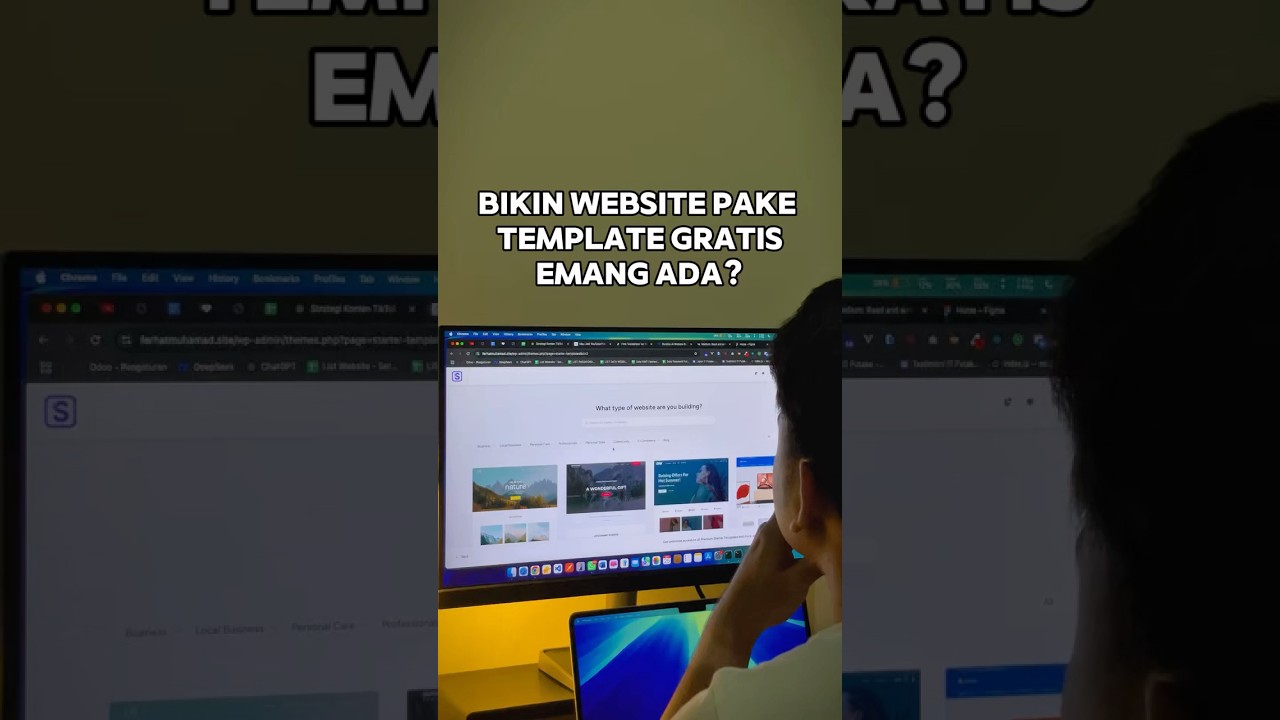
One of the key advantages of Hostinger’s Website Builder is its intuitive drag-and-drop interface. This simplicity allows users, even without technical skills, to create a visually appealing website in a matter of minutes. Pre-designed templates are available, making it easier to choose a style that fits your brand.
Built-in SEO Tools
SEO optimization is vital for any online venture. Hostinger has integrated robust SEO tools into its builder, enabling users to optimize their websites effortlessly. Features such as customizable meta tags, alt texts for images, and SEO analysis help improve your site’s visibility on search engines.
E-commerce Integration
For those looking to establish an online store, Hostinger’s Website Builder comes equipped with e-commerce functionalities. Users can easily manage their products, set up payment gateways, and monitor sales, making it an excellent choice for small businesses and entrepreneurs.
Responsive Design
In today’s mobile-centric world, having a responsive website is non-negotiable. Hostinger ensures all its templates are mobile-responsive, ensuring that your visitors have a seamless experience across devices.
Cost-Effectiveness
Hostinger’s pricing is competitive, making it an attractive option for budget-conscious users. With different plans available, you can choose one that fits your needs without breaking the bank.
Exploring WordPress with AI Features
WordPress has long been a dominant player in the website-building space, powering a significant portion of the internet. With the recent integration of AI, WordPress offers a different approach to building websites. Let’s explore its benefits:
Flexibility and Customization
One of WordPress’s standout features is its flexibility. You can choose from thousands of themes and plugins that allow for extensive customization. This means you can create anything from a simple blog to a complex e-commerce site.
AI-Powered Tools
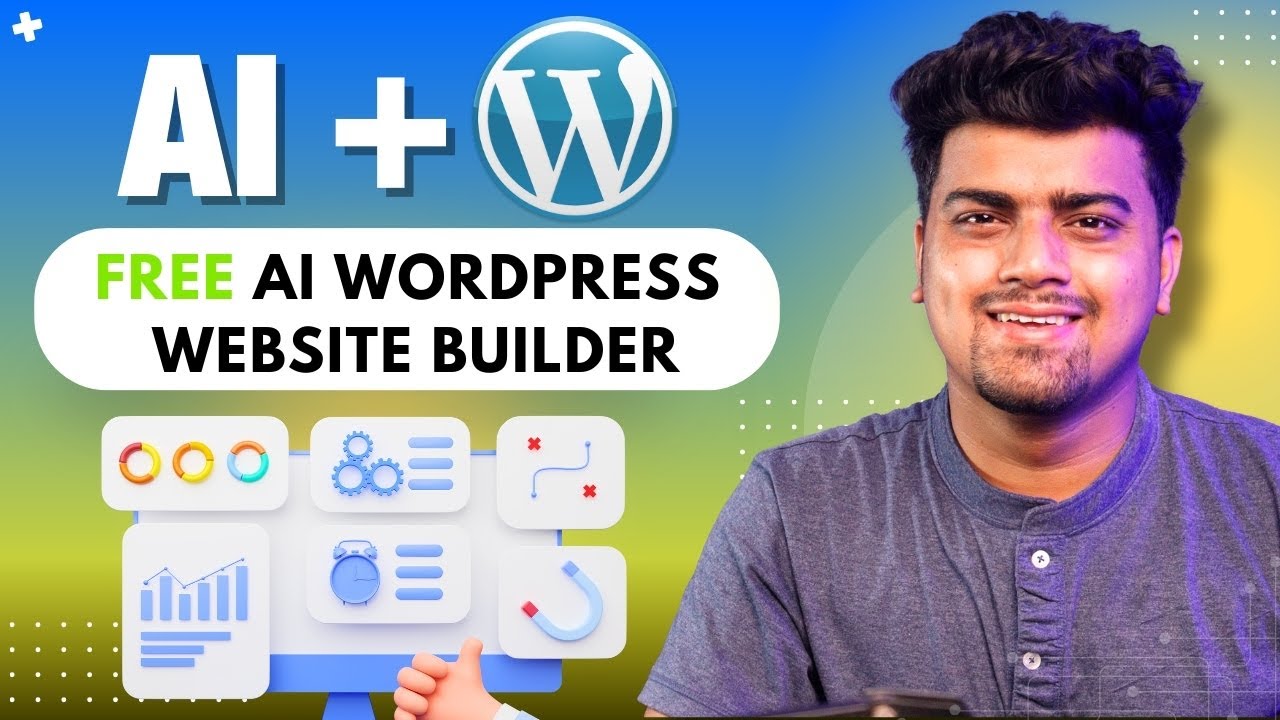
Recent advancements in AI have transformed how users interact with WordPress. AI tools can assist in content creation, SEO optimization, and even design suggestions. For example, AI can analyze your site and recommend changes to enhance user engagement, making it a valuable partner in your website management.
Community Support
WordPress boasts a vast community of developers and users. This ensures that you can easily find support, plugins, and themes tailored to your needs. The community also contributes to constant updates and improvements, ensuring the platform remains relevant and effective.
Ownership and Control
With WordPress, users have complete ownership of their websites. Unlike platforms where your site is tied to their service, with WordPress, you can migrate your site, utilize different hosting services, and manage your content freely.
SEO Advantages
Search engine optimization (SEO) is crucial for any website. WordPress excels in this area, offering numerous plugins that make SEO management straightforward. With options like Yoast SEO, you can optimize your content effortlessly, ensuring it ranks well in search engine results.
Comparative Analysis
Now that we’ve explored the features of both platforms, let’s compare them in key areas to determine which might be the better choice for you.
Ease of Use
For beginners or non-technical users, Hostinger’s Website Builder shines with its straightforward interface. The drag-and-drop functionality allows you to create a professional-looking website quickly. In contrast, while WordPress is also user-friendly, the initial learning curve can be steeper due to its extensive features.
Customization and Flexibility
If customization is your priority, WordPress is a clear winner. Its vast library of themes and plugins allows for unparalleled flexibility. Hostinger provides customizable templates but lacks the extensive variety that WordPress offers.
AI Integration
When it comes to leveraging AI for website management, WordPress takes the lead. The AI tools available can streamline content creation and provide insights that help improve site performance. Hostinger, while user-friendly, does not currently offer AI features.
E-commerce Capabilities
Both platforms cater to e-commerce needs, but WordPress does so with greater sophistication. With plugins like WooCommerce, you can build a robust online store with numerous functionalities. Hostinger’s e-commerce features are adequate for small businesses but may not scale as effectively as those on WordPress.
Cost Consideration
For those on a tight budget, Hostinger may present a more appealing option. With lower starting prices and straightforward packages, the website builder is an attractive choice for startups and small projects. WordPress itself is free, but associated costs for hosting, premium themes, and plugins can add up.
Making Your Choice
Choosing between Hostinger’s Website Builder and WordPress with AI depends heavily on your specific needs and technical expertise.
-
Choose Hostinger if:
- You are a beginner looking for a straightforward setup.
- You seek an affordable website-building option.
- You desire a user-friendly interface with essential e-commerce features.
- Choose WordPress if:
- Customization and flexibility are priorities for you.
- You plan to leverage AI tools for content and SEO management.
- You require advanced e-commerce functionalities and the ability to scale quickly.
Conclusion
Both Hostinger’s Website Builder and WordPress with AI offer unique features catering to different audiences. Hostinger excels in ease of use and affordability, while WordPress provides flexibility, a rich plugin ecosystem, and AI-driven insights that can significantly enhance website management. By evaluating your specific needs and considering the pros and cons discussed, you can make an informed decision that sets you on the path to a successful online presence.