
Blog
How to Enrich LLM Context to Significantly Enhance Capabilities
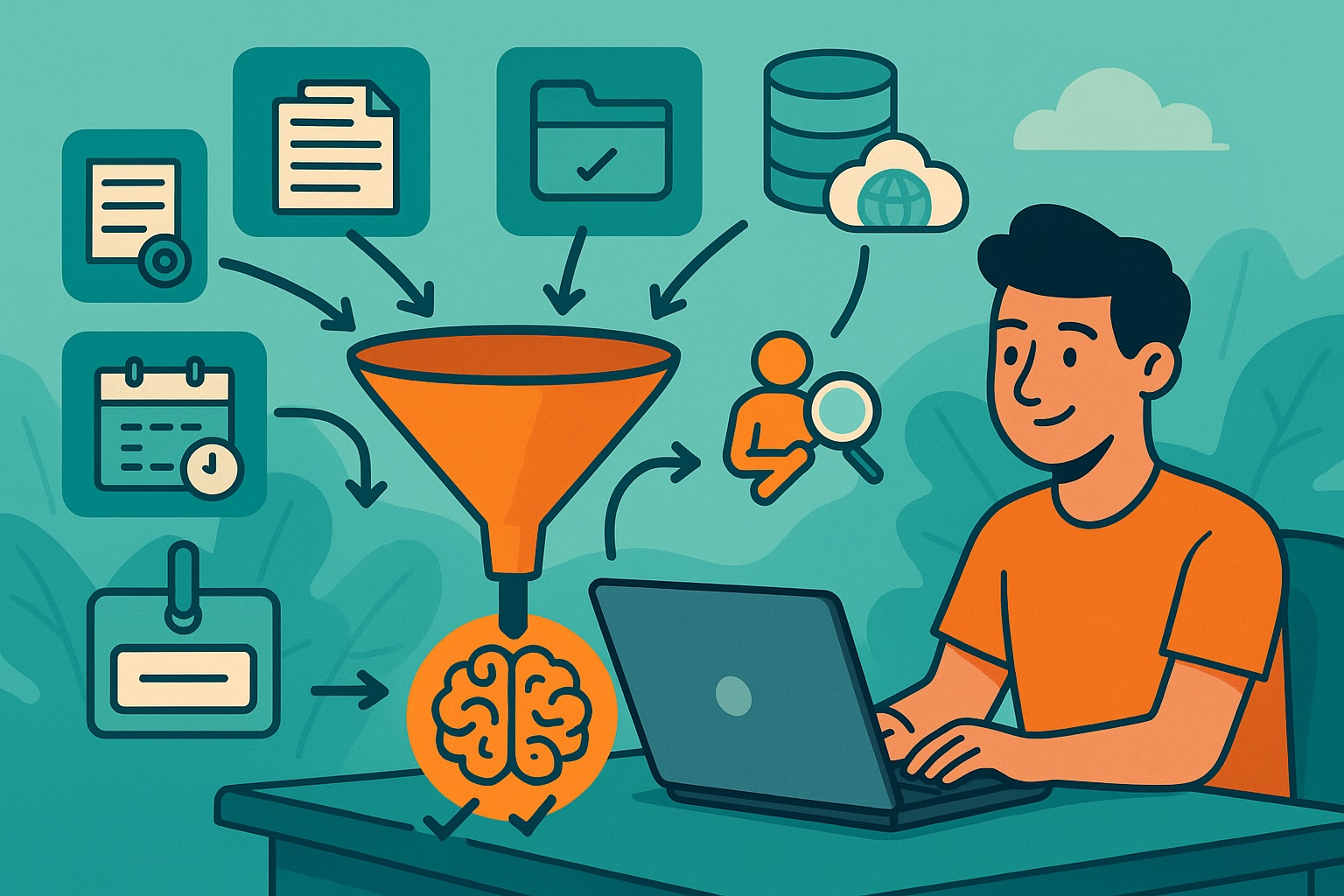
Enhancing the Context of Large Language Models: A Comprehensive Guide
Large language models (LLMs) have revolutionized natural language processing, leading to incredible advancements in artificial intelligence. However, to fully unlock their potential, it is crucial to enrich the context in which these models operate. In this article, we will discuss various strategies to enhance the capabilities of LLMs, making them more effective and responsive to user needs.
Understanding the Importance of Context
Context in language processing refers to the surrounding text or information that informs the meaning of a given input. For LLMs, context plays an essential role because it helps the model understand nuances, maintain coherence, and generate relevant responses. Without adequate context, the output may be ambiguous or lack the depth required for meaningful interaction.
Strategies for Enriching Context
1. Providing Detailed Inputs
One of the most effective ways to enrich context is by offering detailed inputs. When interacting with an LLM, it’s beneficial to provide:
-
Specific Information: Instead of vague queries, include as much relevant detail as possible. For example, rather than asking, "Tell me about climate change," a more effective question would be, "What are the key factors contributing to climate change in urban areas?"
- Desired Structure: Specify the format you’d like the output to take. For instance, asking for a bulleted list, a summary, or a full report helps the model tailor its response appropriately.
2. Utilizing Contextual Prompts
Incorporating contextual prompts can substantially improve the relevance of the model’s responses. This involves setting the stage for the conversation or query. Here are a few methods:
-
Background Information: Share relevant background data that will help the model align its response with your expectations. For instance, if you are working on an environmental policy, mentioning specific guidelines or frameworks can help the LLM generate better-targeted suggestions.
- Scenario Descriptions: Creating a thoughtful description of the desired scenario can provide clarity. For example, if you’re seeking marketing advice, clarifying your target audience and goals can lead to tailored recommendations.
3. Incorporating User Feedback
Feedback is crucial in refining the output from LLMs. By providing measurable reactions to the responses received, users can help enhance the model’s context understanding. Here’s how:
-
Positive Reinforcement: When the model generates satisfactory outputs, acknowledging this can help the model learn what works best.
- Constructive Criticism: Offering specific insights into what was lacking in the response enables the system to adjust its future outputs. For example, if an answer lacked depth or specificity, pointing that out can train the model to respond more thoroughly next time.
Leveraging External Data Sources
Another way to enrich the context for LLMs is by integrating external data sources. Connecting the model to up-to-date information can vastly improve its situational awareness. Here are some methods:
1. APIs and Databases
Utilizing APIs to pull in real-time data can provide relevant context that may not be within the model’s training data. This can be particularly useful for:
-
Current Events: Integrating news APIs can help the model generate informed responses about ongoing situations.
- Data Analytics: For fields like finance or healthcare, accessing live databases can bolster the model’s insights with accurate statistics and trends.
2. Knowledge Graphs
Knowledge graphs provide structured information that adds contextual depth. They can help the LLM understand relationships between concepts, enhancing its ability to generate well-informed outputs. For instance:
-
Entity Recognition: By utilizing knowledge graphs to define relationships, models can deliver more contextually relevant responses regarding specific topics or entities.
- Enhanced Understanding: Associating various concepts through knowledge graphs can enable the model to better process and respond to multifaceted queries.
Maintaining Dynamic Context Management
Flexibility in context management is vital for maximizing the effectiveness of LLMs. This involves adjusting the context as the conversation evolves. Here’s how to achieve that:
1. Session-Based Context Tracking
Employing session-based tracking can ensure ongoing interactions are coherent. This means maintaining a profile or memory of previous queries and responses, thereby allowing the model to refer back to earlier interactions. Key benefits include:
-
Continuity: By recognizing past questions, the model can build upon prior answers, giving users a sense of continuity in their interactions.
- Personalization: Tailoring responses based on user history enhances user experience by providing a more customized interaction.
2. Contextual Limitations
While enriching context is essential, it’s also important to set boundaries to prevent overwhelming the model. Limiting the context scope can allow for more precise and relevant outputs. Users can:
-
Define the Scope: Clearly outlining what aspects of the context are relevant helps narrow the focus, resulting in concentrated, meaningful outputs.
- Avoid Overloading: Too much information can confuse the model. Finding a balance between enriched context and clarity is key to getting the best responses.
Conclusion
Enhancing the context for large language models significantly elevates their capabilities, yielding richer and more meaningful interactions. By implementing strategies such as detailed inputs, contextual prompts, and integrating external data sources, users can leverage the full potential of LLMs. Additionally, personalizing responses through user feedback and maintaining dynamic context management ensures that interactions remain relevant and engaging. With these methods, you can transform your experience with language models, achieving more insightful and effective outcomes.
