
Blog
12 Essential Lessons for Building AI Agents
Understanding the Foundations of AI Agents
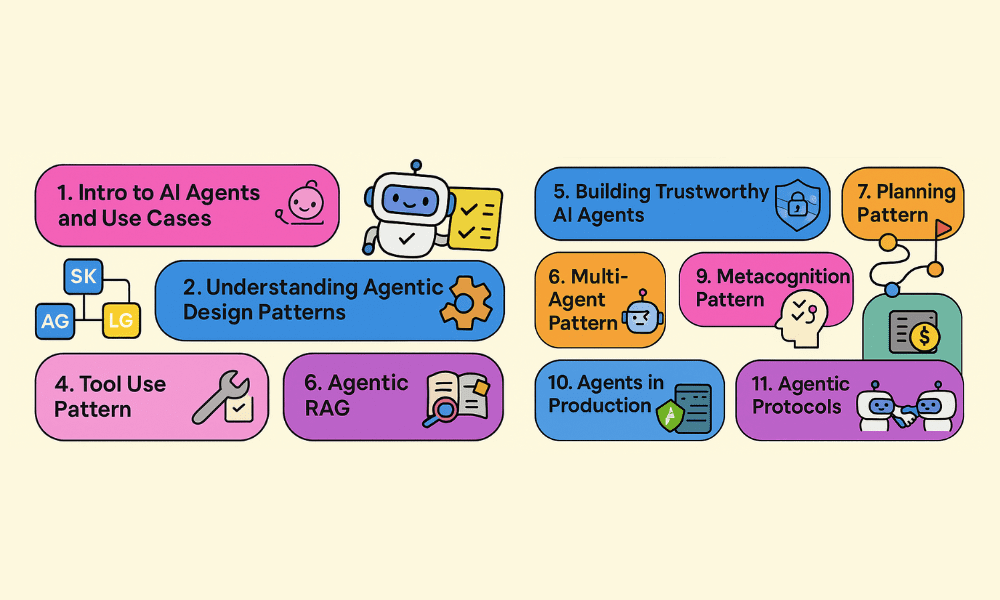
Artificial Intelligence (AI) agents are revolutionizing how we interact with technology. From virtual assistants to smart automation systems, these entities have become integral in various industries. Building robust AI agents requires a deep understanding of several foundational concepts and practical skills. Here are twelve vital lessons that will guide you in creating effective AI agents.
1. Grasp the Basics of AI and Machine Learning
Before embarking on your journey to develop AI agents, it is crucial to comprehend the foundational principles of AI and machine learning. Familiarize yourself with essential concepts such as neural networks, supervised and unsupervised learning, and natural language processing. A solid grasp of these topics will provide you with the necessary framework to understand how AI agents operate.
2. Define Clear Objectives
Establishing clear objectives for your AI agent is fundamental. Identify the specific problems you aim to solve and the functionalities you want the agent to perform. Well-defined goals help in guiding the design and implementation process and ensure that your AI agent effectively addresses user needs.
3. Focus on Data Quality
The efficiency of any AI agent significantly relies on the quality of data it processes. Invest time in collecting accurate, relevant, and diverse datasets. Clean, high-quality data will enhance the agent’s performance, ensuring it can make informed decisions and provide reliable outcomes.
4. Choose the Right Algorithms
Select appropriate algorithms that align with your AI agent’s objectives. There are numerous choices, including decision trees, support vector machines, and deep learning models. Evaluate the available algorithms based on factors such as the type of data, required accuracy, and computational resources.
5. Prioritize User Experience
User experience (UX) should be a core focus when developing AI agents. Creating an intuitive interface and ensuring seamless interaction can significantly enhance user satisfaction. Conduct user testing to gather feedback and make necessary adjustments to improve the overall experience.
6. Implement Robust Security Measures
AI agents often handle sensitive data, making security a paramount consideration. Implementing robust security measures, including encryption and access controls, will help protect user information and build trust. Regularly update your security protocols to address emerging threats.
7. Utilize Continuous Learning
Incorporate mechanisms for continuous learning in your AI agents. This adaptive approach allows the agent to evolve and improve based on new data and user interactions. Implementing active learning strategies can enable your agent to fine-tune its performance over time.
8. Encourage Ethical AI Practices
Ethics play a significant role in AI development. As you build AI agents, prioritize ethical considerations by preventing biases in data and algorithms. Implement transparency measures to allow users to understand how decisions are made, fostering trust and accountability.
9. Collaborate with Domain Experts
Collaborating with experts in the relevant field can provide invaluable insights into specific challenges and requirements. Engaging with domain specialists ensures your AI agent is designed with industry-specific needs in mind, improving its effectiveness and applicability.
10. Leverage Open-Source Resources
The AI community is rich with open-source resources and libraries that can facilitate your development process. Utilize frameworks like TensorFlow, Keras, or PyTorch to build and train your AI agents. These tools can save time, reduce costs, and provide access to advanced features and functionalities.
11. Monitor and Evaluate Performance
After deploying your AI agents, continuous monitoring and evaluation of their performance are crucial. Utilize metrics such as accuracy, precision, recall, and user satisfaction ratings to assess how well your agent meets its objectives. This evaluation will highlight areas for improvement and inform future iterations.
12. Stay Updated with Industry Trends
The field of AI is rapidly evolving, with new advancements emerging regularly. Staying updated with the latest industry trends, research, and technologies will help you adapt your strategies and ensure your AI agents remain competitive and relevant. Engage with professional networks, participate in webinars, and read scholarly articles to keep your knowledge current.
Conclusion
Building effective AI agents encompasses a multifaceted understanding of technology, user needs, and ethical considerations. By adhering to these twelve essential lessons, you equip yourself with the necessary tools and insights to develop AI agents that not only perform tasks efficiently but also enhance user satisfaction and trust. Embrace the ongoing learning process, and remember that the future of AI is not just in the technology itself, but in how it enriches human experiences.
