
Blog
New Video: Build Self-Improving AI Agents with the NVIDIA Data Flywheel Blueprint
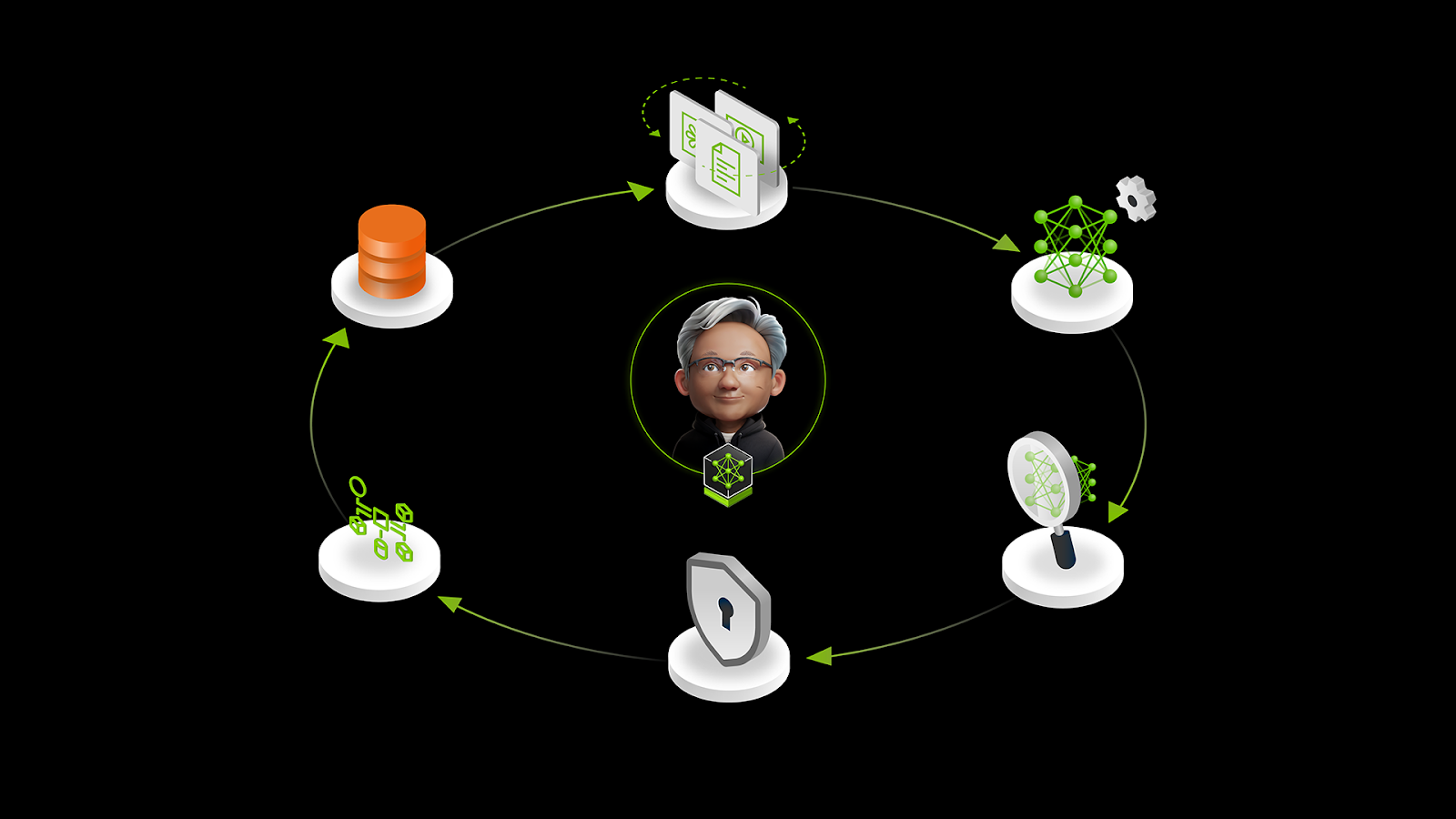
Understanding Self-Improving AI Agents
In the ever-evolving landscape of artificial intelligence (AI), recent advancements have brought self-improving AI agents to the forefront. These agents possess the remarkable ability to learn from data, adapt to new environments, and enhance their performance over time. By leveraging innovative frameworks, such as the NVIDIA Data Flywheel, researchers and developers can create more efficient and effective AI solutions.
The Concept of Self-Improvement in AI
Self-improvement in artificial intelligence refers to the capability of an AI system to refine its algorithms and strategies based on new information and experiences. This learning process allows AI agents to tackle increasingly complex tasks without requiring constant human intervention. The implications of this technology span various industries, including healthcare, finance, and autonomous systems, significantly improving operational efficiency and decision-making processes.
The NVIDIA Data Flywheel Blueprint
At the core of building self-improving AI agents is the NVIDIA Data Flywheel blueprint. This comprehensive framework provides guidelines for developers to create AI systems that can harness the power of vast amounts of data. The Data Flywheel emphasizes a feedback loop that generates continuous improvement through iterative processes.
Key Components of the Data Flywheel Blueprint
-
Data Collection: The first step involves gathering diverse and high-quality datasets. These datasets must be relevant to the specific tasks the AI agent will perform. The more comprehensive the dataset, the better the AI can learn and adapt.
-
Model Training: Once data is collected, it is used to train machine learning models. This phase is critical as it establishes the groundwork for the AI agent’s abilities. Utilizing powerful GPUs and optimized algorithms can significantly enhance model performance and shorten training times.
-
Feedback Mechanisms: After initial training, the AI agent enters a feedback loop, where it receives real-time input based on its performance. This feedback helps identify strengths and weaknesses, allowing developers to fine-tune the model continually.
- Continuous Learning: Through ongoing interaction with the environment and data changes, the AI agent improves its knowledge and skills. This adaptive learning process ensures that the agent remains effective as conditions evolve.
The Role of GPUs in AI Development
The significance of Graphics Processing Units (GPUs) in AI development cannot be overstated. NVIDIA’s powerful GPUs expedite the training and inference processes of AI agents. By processing large datasets quickly, GPUs allow developers to experiment with different models and algorithms, ultimately leading to better-performing systems.
Advantages of Using NVIDIA GPUs
- Parallel Processing: The architecture of GPUs enables simultaneous calculations, drastically reducing the time required for training complex models.
- Scalability: As data volumes grow, NVIDIA GPUs can seamlessly scale to accommodate the increased processing demands, ensuring consistent performance.
- Energy Efficiency: Advanced GPU designs yield higher performance per watt, making them a cost-effective choice for AI computation.
Real-World Applications of Self-Improving AI Agents
Self-improving AI agents developed using NVIDIA’s Data Flywheel blueprint are making significant strides across various sectors:
Healthcare
In the healthcare industry, AI agents are being utilized to analyze patient data, predict outcomes, and recommend personalized treatment plans. For instance, AI algorithms can identify patterns in medical imaging data, leading to earlier detection of diseases like cancer.
Finance
In finance, AI agents empower organizations to detect fraudulent transactions and assess credit risks more accurately. By adapting to new trends in fraud patterns, these agents enhance security measures and bolster trust in financial systems.
Autonomous Vehicles
Self-improving AI is also vital in the development of autonomous vehicles. These agents learn from real-world driving experiences, improving navigation systems and increasing safety measures on the roads.
Overcoming Challenges in AI Development
While the concept of self-improving AI is promising, several challenges exist that developers must address:
-
Data Privacy: Ensuring the privacy and security of collected data is paramount. AI systems must adhere to strict regulations to protect sensitive information.
-
Bias in Data: AI agents learn from the data they are trained on. If the data contains biases, the AI will also exhibit these biases, which can lead to unfair outcomes.
- Complexity of Algorithms: The sophistication of self-improving AI algorithms can make them difficult to interpret. Developers need to strive for transparency, ensuring stakeholders understand AI decision-making processes.
The Future of Self-Improving AI
As the capabilities of self-improving AI agents grow, so too do the opportunities for innovation. The potential for these agents to revolutionize industries is immense, but realizing this potential requires a collaborative effort among researchers, developers, policymakers, and business leaders.
A Collaborative Approach
Fostering collaboration across these groups will enable the responsible development and deployment of AI technologies. Working together, stakeholders can establish ethical guidelines, advance research, and share best practices, paving the way for a future where self-improving AI agents contribute positively to society.
Conclusion
The rise of self-improving AI agents, driven by frameworks like the NVIDIA Data Flywheel, marks a significant milestone in the evolution of artificial intelligence. By harnessing the power of data, optimizing training methods, and fostering continuous learning, developers are paving the way for smarter and more efficient AI systems. As these technologies advance, their potential to transform industries and improve our daily lives becomes increasingly tangible. The journey has just begun, and the possibilities are endless. Embracing this future requires innovation, collaboration, and a commitment to responsible AI development.
